
You want dental implants in Champaign, IL that fit your mouth, budget, and lifestyle, and you need clear answers before you commit. Ask whether you're a good candidate, what the procedure will involve in Champaign, who will perform each step, how long recovery will take, and what your out‑of‑pocket costs will be so you can make a confident decision.
This post walks you through those five crucial questions and what to listen for when you meet a dentist in Champaign, IL. Expect practical guidance on procedure details, candidacy factors like bone health, provider credentials, personalized treatment planning, aftercare, and insurance or financing options.
Understanding the Dental Implant Procedure
You’ll learn how implants are placed, what implant types may suit your jaw and budget, and how long each stage of treatment and recovery typically takes.
Implant Process Overview
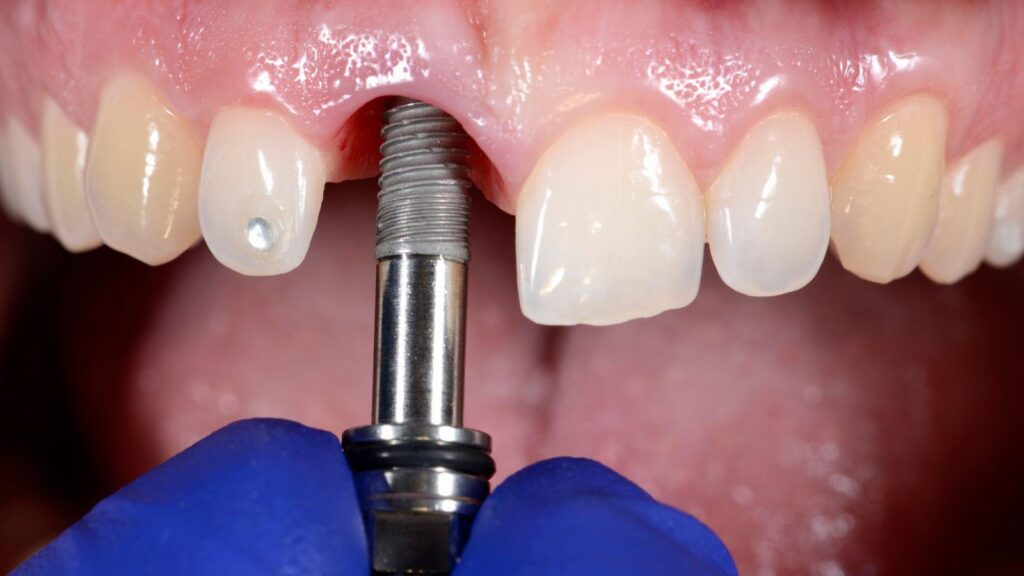
Dental implant treatment usually begins with a diagnostic exam that includes a CBCT scan and a treatment plan showing implant size, position, and prosthetic design. Your dentist or oral surgeon places a titanium or zirconia implant into the jawbone under local anesthesia; sedation options are available if you prefer them.
After placement, the implant integrates with bone (osseointegration). Once stable, your provider exposes the implant and attaches an abutment, then takes impressions for a crown, bridge, or denture.
Each step requires checks for fit, bite, and esthetics so the final restoration functions like a natural tooth.
Types of Dental Implants Available
Endosteal (root-form) implants are the most common in Champaign practices: screw-shaped titanium fixtures placed in the jawbone. They work with single crowns, bridges, and implant-retained dentures.
Zirconia implants provide a metal-free option; they suit patients with metal sensitivities or high esthetic demands in the front teeth. Subperiosteal implants sit on top of bone under the gum and are used when bone volume is inadequate and grafting isn’t possible.
Restorations vary: single crowns, multi-unit bridges, and overdentures. Ask which implant brand and abutment system your dentist uses, and whether they offer warranty or documented success data for that system.
Timeline and Recovery Expectations
Typical timeline: consult and imaging (1 visit), implant placement (1–2 hours), healing/osseointegration (8–16 weeks), abutment and crown/bridge placement (1–3 visits). Complex cases with bone grafts or sinus lifts can add 3–6 months.
Post-op recovery usually includes mild swelling and soreness for 2–7 days. Use prescribed pain control, cold packs, and a soft-food diet for 48–72 hours.
Avoid smoking; it slows healing and raises failure risk. Follow-up visits occur at 1–2 weeks, then periodically to monitor integration and oral hygiene.
Evaluating Your Candidacy for Dental Implants
You need clear criteria to know if implants are realistic and safe for you. This section covers medical and dental health, jaw bone needs, and possible complications so you can discuss specifics with your Champaign provider.
Medical and Dental Health Requirements
Your overall health affects healing and implant success. Provide a complete medical history, including diabetes control (A1c level), immune disorders, bleeding disorders, and any cancer treatments.
Smoking status and medications—especially bisphosphonates, blood thinners, and steroids—directly influence implant planning and timing. Oral health matters as much as systemic health.
Treat active gum disease, decay, or infections before implants. Your dentist will evaluate remaining teeth, bite forces, and restorations to ensure implants won’t be overloaded.
Bring recent medical records and a list of prescriptions to your consultation. Expect questions about your ability to follow post-op care and attend follow-up visits; adherence affects long-term outcomes.
Bone Density and Jaw Assessment
Sufficient bone volume and quality in the implant site determine whether implants can be placed immediately or need preparatory procedures. Your dentist will order a CBCT scan or panoramic X-ray to measure bone height, width, and density in the maxilla or mandible.
If bone is insufficient, your options include sinus lifts, ridge augmentation, or short/angled implants. Each option carries different timelines: grafting can add 3–9 months before implant placement, while some locations allow mini or zygomatic solutions for limited bone.
Ask your provider for specific measurements from your scan (bone height in mm, cortical thickness) and a clear timeline for any grafting, so you can plan work, recovery, and cost.
Potential Risks and Complications
Know the complications that most commonly affect implant cases. Early risks include surgical infection, failure to osseointegrate (implant does not fuse to bone), and excessive bleeding.
Late risks include peri-implantitis (bone loss around the implant), prosthetic loosening, and fracture under high bite forces. Risk factors you can control: smoking cessation, strict oral hygiene, and managing diabetes.
Uncontrollable risks include anatomical variants (thin sinus floors, nerve proximity) and systemic immunosuppression. Your dentist should map the inferior alveolar and mental nerves on scans to avoid nerve injury and discuss nerve-sparing techniques when necessary.
Request a written plan that lists risk mitigation steps, expected complication rates for your profile, and how the team will handle problems such as infection, implant failure, or sensory changes.
Dentist Credentials and Experience
Check the dentist’s formal training, hands-on case history, and measurable outcomes before you commit. You want a provider with recognized implant training, documented complex-case experience, and transparent success metrics.
Training and Certification in Implant Dentistry
Ask which postgraduate programs the dentist completed and whether they hold board certifications or fellowship memberships. Look for training from accredited institutions, continuing education in implantology, and certifications from recognized organizations (for example, AAOMS for oral surgeons or the American Academy of Implant Dentistry).
Confirm whether the dentist performs surgical placement, restoration, or both. If they restore implants but refer surgery out, ask how they coordinate care and which surgeons they work with.
Request copies of certificates or course listings and verify dates so you know the training is recent and relevant to current implant systems and digital workflows.
Experience With Complex Cases
Request specifics on the number and types of complex cases they’ve handled: full-arch restorations, bone grafting, sinus lifts, and implants in patients with periodontal disease or systemic conditions. Ask how often they perform guided surgery, immediate loading, or ridge augmentation in a typical month.
Ask for case examples with before-and-after images and brief descriptions of complications and how they were managed. This helps you assess clinical judgment, problem-solving, and whether the practice has in-house specialists (periodontist, oral surgeon, prosthodontist) for multidisciplinary care.
Success Rates and Patient Outcomes
Ask for practice-level success rates and how they define “success” (implant survival vs. patient-centered outcomes like function and comfort). Request data on 1-, 5-, and 10-year survival where available and how many implants required revision or removal.
Inquire about patient satisfaction tracking, complication rates (infection, peri-implantitis), and follow-up protocols. Verify whether they use standardized outcome measures or registries and ask to speak with or read reviews from recent implant patients for real-world perspective.
Personalized Treatment Planning in Champaign, IL
Your implant plan should reflect your oral health, timing goals, and budget while using the clinic’s available technology and local specialist network to optimize outcomes.
Customizing Implant Solutions
You and your dentist will review tooth-by-tooth needs, bone quality, and aesthetic goals to choose the implant type, diameter, and crown material. Expect discussion of single implants, implant-supported bridges, and All‑on‑X options, with pros and cons tied to your jawbone volume and desired timeline.
If you have low bone height, your plan may include bone grafting, sinus lift, or short/narrow implants. Your dentist should explain healing timeframes—typically 3–6 months for osseointegration—and how that affects temporary restorations and work, travel, or event planning.
Ask which brands or systems the office prefers and why, and how that choice affects longevity, parts availability, and future maintenance.
Digital Imaging and Planning Tools
Your consultation should use CBCT (cone beam CT) scans and intraoral digital impressions to map bone density, nerve location, and soft-tissue contours. These scans let your team create a 3D surgical guide that improves implant positioning and reduces chair time.
Digital planning also helps simulate final tooth positions so you can preview esthetics and occlusion. Confirm whether your clinic prints surgical guides in‑house or outsources them, and whether the guide is used for fully guided or partially guided placement.
Request copies of your images and the treatment plan so you can review specifics like implant length, angulation, and estimated prosthetic timelines before consenting.
Collaboration With Local Specialists
Your general dentist may partner with oral surgeons, periodontists, or prosthodontists in Champaign for complex cases. Ask who will place the implant, who will restore it, and where each phase will occur.
Coordination matters for staged treatments—such as when a surgeon performs grafting weeks or months before implant placement—and for managing medical conditions or medications. Ensure the practice provides direct communication between providers and a single point of contact for scheduling and billing.
Confirm that referral providers use compatible implant systems and that records, CBCT files, and digital scans will be shared promptly to avoid delays.
Aftercare and Long-Term Maintenance
Expect specific steps for the first 48–72 hours, ongoing daily cleaning protocols, and a clear schedule of professional checkups to protect your implant investment.
Post-Procedure Support
Right after surgery, you should plan on rest and limited activity for 24–48 hours. Ice packs applied 15 minutes on/15 minutes off reduce swelling; avoid hot showers and heavy lifting that raise blood pressure and bleeding risk.
Take prescribed antibiotics and pain medications exactly as directed; note any allergic reactions or severe pain that worsens after 48 hours and contact your dentist immediately. Stick to a soft-food diet for the first week.
Avoid hard, sticky, or crunchy foods on the implant side until your dentist clears you. If sutures are present, follow instructions for care and removal; some sutures dissolve, others require an appointment for removal.
Oral Hygiene Recommendations
Use a soft-bristled toothbrush and non-abrasive toothpaste to clean around the implant twice daily. Be gentle for the first two weeks, then increase pressure as tolerated to remove plaque without disturbing healing tissue.
Floss daily using implant-specific floss or a water flosser to reach the gum line around the abutment. Focus on the contact points with adjacent teeth and beneath the crown edge.
Rinse with a dentist-recommended antimicrobial rinse (chlorhexidine only if prescribed) for the first week. Avoid alcohol-based mouthwashes that can dry tissues.
If you smoke, quit or cut back—smoking significantly raises the risk of implant failure. Ask your dentist about nicotine-reduction resources if needed.
Scheduling Follow-Up Appointments
Expect a first check at 1 week to assess soft-tissue healing, then a 6–12 week visit to evaluate osseointegration and to place or adjust the permanent crown. Your dentist will set a timeline based on bone healing and whether grafts or sinus lifts were done.
Plan professional cleanings every 3–6 months for the first year; if you have periodontal history, your dentist may recommend more frequent visits. Bring a list of medications and any health changes to each appointment.
Your dentist will take periodic radiographs (typically annually) to monitor bone levels around the implant and catch early signs of problems.
Financial Considerations and Insurance Coverage
Costs vary by implant type, number of implants, bone grafting, and lab fees. Ask for a written estimate that breaks down surgeon, implant parts (fixture, abutment, crown), imaging, and any preparatory procedures.
Upfront Costs and Payment Options
Get an itemized estimate before you schedule treatment. Typical line items include consultation, CBCT scan ($100–$300), implant fixture ($800–$2,500 each), abutment and crown ($900–$2,000), and bone grafting ($200–$1,200).
Prices in Champaign can differ between private specialists and dental schools. Ask which fees are due at consultation, surgery, and crown placement.
Many practices accept cash, major credit cards, and debit. Ask about discounts for full upfront payment and whether they offer in-office payment plans with zero or low interest.
Request a written payment schedule and confirm refund policies for canceled or postponed appointments. Verify whether separate clinicians (oral surgeon vs. restorative dentist) bill you separately.
Dental Insurance and Financing
Most dental plans limit implant coverage; some cover only a portion of the crown or none of the implant fixture. Call your carrier with procedure codes (D6010 implant body, D6066 implant-supported crown, D7953 bone graft).
Ask about annual maximums and preauthorization requirements. If your plan denies coverage, request a predetermination from the insurer and an itemized pre-treatment estimate from your dentist to support appeals.
Flexible Spending Accounts (FSA) and Health Savings Accounts (HSA) can reduce out‑of‑pocket costs. For larger balances, consider third-party medical/dental financing companies (CareCredit, LendingClub Patient Solutions).
Compare APRs, deferred interest terms, and monthly payment amounts. Confirm with your dentist whether financing applications affect scheduling or require down payments.
Warranty and Replacement Policies
Ask for written warranty terms on the implant fixture, abutment, and crown. Many clinics offer a lifetime warranty on the implant fixture if you follow maintenance guidelines.
Crowns and implants may have limited coverage (1–5 years) against material failure or lab defects. Clarify what triggers warranty denial: smoking, poor oral hygiene, untreated gum disease, or missed maintenance visits often void coverage.
Ask whether the warranty covers lab fees, clinician time, or only replacement parts. Confirm the clinic’s policy on complications such as implant failure within the first year.
Determine whether retreatment, replacement implants, or bone grafting are included. Check if there’s a prorated fee if you change providers.