
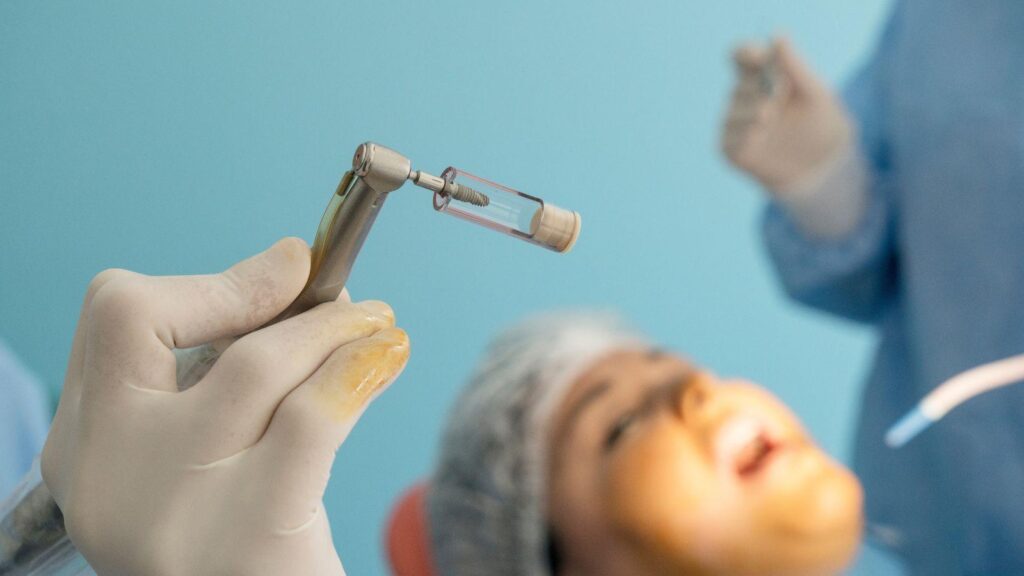
You should not expect intense pain from dental implant surgery. Local anesthesia and modern techniques block pain during the procedure, so most people feel pressure, vibration, or mild discomfort rather than sharp pain.
Afterward, soreness is common but usually mild and manageable with over-the-counter or prescribed pain medication. Most patients report low pain scores during recovery.
This article will walk you through what to expect before and during the operation, the sensations you may feel, how pain is controlled, and practical aftercare steps to keep you comfortable, drawing on standard dental implant services protocols. The sections ahead lay out what actually happens and what influences your individual experience.
What to Expect Before Dental Implant Surgery
You will go through a focused evaluation and receive specific instructions to reduce risks and improve healing. Expect imaging, medical checks, and clear steps for medication, eating, and transportation.
Consultation and Pre-Surgical Assessment
At your consultation, the dentist or oral surgeon will review your medical history, current medications, and any chronic conditions such as diabetes or heart disease. Bring a list of prescriptions, supplements, and prior dental records so the team can spot interactions and plan safe anesthesia.
The clinician will take imaging—usually a CBCT scan or panoramic X-ray—to measure bone volume, locate nerves, and plan implant size and position. They will show you the planned implant location and explain whether you need bone grafting or sinus lift first.
The provider will also assess gum health and active infections. If you have untreated gum disease or a tooth infection, they will treat that before placing an implant to lower complication risk.
Expect a discussion of sedation options (local anesthetic, nitrous oxide, oral sedative, or IV sedation) and their pros and cons for your case.
Preoperative Instructions for Patients
Follow fasting guidelines if you will have sedation: typically nothing to eat for 6–8 hours and clear liquids up to 2 hours before IV or general sedation. For local anesthesia only, your provider may allow a light meal but will give specific timing.
Adjust medications only as instructed. You may be told to stop blood thinners (aspirin, clopidogrel, warfarin) or coordinate with the prescribing physician to balance bleeding risk and clotting risk.
Continue essential meds like antibiotics or heart medications if advised. Arrange transportation and a caregiver for the day of surgery if you receive sedation beyond local anesthesia.
Wear comfortable clothing and avoid strong fragrances. Plan soft foods and ice packs at home, and fill any prescribed painkillers or antibiotics beforehand so you don’t delay postoperative care.
Pain Management During Dental Implant Surgery
You will be numbed and often sedated so you feel minimal or no pain during the procedure. Care teams tailor anesthesia and techniques to your medical history, anxiety level, and the complexity of the implant placement.
Types of Anesthesia Used
Dental teams commonly use three main types of anesthesia for implant surgery: local anesthesia, nitrous oxide (laughing gas), and intravenous (IV) sedation. Local anesthesia (e.g., lidocaine) numbs the implant site so you do not feel sharp pain; you may feel pressure or movement instead.
Nitrous oxide reduces anxiety and produces light sedation while preserving your ability to respond to instructions. IV sedation provides deeper relaxation or moderate sedation and is useful for longer procedures or patients with high anxiety.
In rare or complex cases, general anesthesia may be used in a hospital setting. Your medical history, current medications, and whether you have conditions like sleep apnea or heart disease affect which option is safest.
The dentist or oral surgeon will review risks and recovery expectations and obtain informed consent before proceeding.
Local vs. Sedation Options
Local anesthesia alone suits straightforward single-implant cases and patients comfortable remaining awake. Benefits include quicker recovery and fewer systemic effects.
Sedation options add layers of comfort: nitrous oxide offers rapid onset and quick reversal, while oral sedatives (e.g., short-acting benzodiazepines) provide mild-to-moderate relaxation but require escort home. IV sedation gives controlled depth with continuous monitoring of breathing and vital signs.
Consider the trade-offs: sedation increases monitoring needs, fasting requirements, and recovery time. Costs also vary—sedation typically adds fees.
Tell your provider about tobacco use, alcohol, or recreational drugs, because these alter sedation dosing and safety.
How Dental Professionals Minimize Discomfort
Clinicians minimize discomfort through a combination of techniques and equipment. They use topical anesthetic before injections, then inject local anesthetic slowly to reduce sting.
Computer-controlled local anesthetic delivery systems further smooth injection pressure for sensitive patients. During surgery, precise planning with CBCT scans and surgical guides reduces tissue trauma and shortens operative time.
Postoperative comfort measures include prescribing or recommending NSAIDs (ibuprofen) and acetaminophen, offering short courses of stronger analgesics only when needed, and giving clear instructions on ice application, head elevation, and diet progression.
Providers schedule follow-up visits to assess healing and adjust pain control. They give emergency contact instructions for unexpected severe pain or complications.
Sensations Experienced During the Procedure
You will feel little to no pain because the surgeon numbs the area and often offers sedation. Expect sensations like pressure, movement, vibration, and the sounds of dental instruments rather than sharp pain.
Pressure Versus Pain
Local anesthesia blocks pain nerve signals, so you should not experience sharp pain during implant placement. Instead, you will feel firm pressure as the implant is seated into bone and when tissue is manipulated.
That pressure can range from a mild pushing sensation to more noticeable force if your bone is dense or a sinus lift or graft is being performed. If you have sedation (oral sedative, nitrous oxide, or IV), you may remember less of the pressure and feel more detached.
Tell your clinician immediately if you feel sudden sharp pain or intense throbbing; that can indicate incomplete numbness and they will top up anesthesia. After the procedure, discomfort typically begins as the anesthetic wears off and is managed with OTC pain relievers or prescribed medication.
Sounds and Vibrations
You will hear drilling, tapping, and the motorized sounds of implant drivers and bone drills; these noises are normal and do not mean you are feeling pain. Vibrations transmit through the jaw and can feel like buzzing or mild shaking during drilling and when the implant is threaded into place.
Good sedation and a steady hand reduce your awareness of sound and vibration. If vibrations make you anxious, ask for headphones or additional sedation options.
Clinicians often pause between steps, giving you short breaks to swallow, breathe, and report any sensations that feel unusual.
Immediate Postoperative Discomfort
You should expect predictable, short-lived symptoms that respond to medication and home care. Knowing what each sensation feels like and when it usually eases helps you manage recovery with less worry.
Common Symptoms After Surgery
You will not feel pain during the procedure because local anesthesia or sedation blocks sensation. Once numbness wears off, expect mild to moderate soreness at the implant site, often described as aching or pressure rather than sharp pain.
Swelling of the cheek and gum tissue is common and usually peaks 48–72 hours after surgery. You may notice minor bruising on the face or under the jaw; this resolves over several days.
Bleeding or oozing from the socket can occur for the first 24 hours; biting on gauze controls most cases. You might feel tightness or stiffness in your jaw and limited mouth opening for a few days.
Less common but possible symptoms include a transient tingling or numbness if nearby nerves are irritated, and slight fever or bad taste if a clot loosens. Contact your clinician for severe pain, heavy bleeding, persistent numbness, or signs of infection (fever >100.4°F, spreading swelling, pus).
Timeline of Pain Relief
First 24 hours: Expect the greatest discomfort as anesthesia fades. Pain and swelling usually peak within this window.
Use prescribed analgesics or NSAIDs and apply cold packs for 15 minutes on/15 minutes off to limit swelling. Days 2–3: Soreness typically lessens; swelling begins to subside.
You may switch from cold to warm compresses after 48 hours to promote circulation. Continue gentle oral hygiene and avoid disturbing the surgical site.
Days 4–7: Most patients report marked improvement and can return to normal soft-food diets. Pain should be controlled with over-the-counter medications or the tail end of a short prescription.
After 1 week: Acute pain usually resolves. Mild tenderness at the implant site can persist for several weeks while bone and gum tissue continue healing.
Any increasing pain, fever, or prolonged drainage after this point warrants prompt evaluation.
Proper Aftercare for Managing Pain
You will control most discomfort with a few specific actions: use the right medications, protect the surgical site, and follow daily care steps that reduce swelling and prevent infection. These measures shorten recovery and keep pain at manageable levels.
Recommended Pain Relief Methods
Start with medications your dentist prescribes. If you receive an opioid prescription, take the lowest effective dose for the shortest time and stop as soon as pain lessens.
For most patients, acetaminophen (Tylenol) or ibuprofen (Advil, Motrin) alone or combined provides reliable relief; follow dosing instructions on the label or from your dentist. Apply a cold pack to the outside cheek for 10–20 minutes on, 10–20 minutes off during the first 48 hours to reduce swelling and nerve irritation.
After 48–72 hours, switch to warm compresses if swelling persists to encourage circulation and healing. If you notice increasing pain, fever, or pus, contact your dentist promptly—these signs suggest infection or another complication requiring professional care.
At-Home Care Best Practices
Keep the surgical area clean but avoid rinsing vigorously for the first 24 hours. After 24 hours, rinse gently with warm salt water (1/2 teaspoon salt in 8 ounces water) 3–4 times daily to reduce bacteria and soothe tissues.
Do not spit forcefully; let the rinse fall from your mouth. Eat soft, cool foods for the first week—yogurt, smoothies, mashed potatoes, scrambled eggs—and avoid hard, crunchy, or very hot items that can irritate the implant site.
Sleep with your head elevated the first few nights to limit swelling. Avoid smoking and alcohol while healing; both slow tissue repair and increase pain risk.
Keep follow-up appointments so your dentist can check healing and adjust care if needed.
Factors Influencing Patient Sensations
Several factors determine what you feel during and after implant surgery: your personal pain tolerance and the specific steps the surgeon must take. These elements influence anesthesia choice, expected recovery time, and how much swelling, bruising, or soreness you may experience.
Individual Pain Threshold
Your pain threshold shapes both how you perceive sensations and how you respond to standard pain control. People with low pain tolerance may notice throbbing or sharp twinges sooner and rate discomfort higher on pain scales, even when clinical signs of inflammation are mild.
Anxiety and prior negative dental experiences commonly lower tolerance and increase perceived pain; managing anxiety with preoperative counseling or sedation often reduces reported discomfort. Biological factors also matter.
Conditions such as chronic pain syndromes, fibromyalgia, or neuropathies can amplify postoperative sensations. Medications you take—antidepressants, opioids, or anti-inflammatories—change pain signaling and may require adjustments to your pain plan.
Tell your clinician about all medical conditions and drugs so they can tailor anesthesia, prescribe appropriate analgesics, and set realistic expectations for your recovery.
Complexity of the Surgical Procedure
The surgical plan directly affects tissue trauma and subsequent sensations. A single implant placed into intact bone typically produces limited soreness and swelling for 2–4 days.
Procedures that include bone grafting, sinus lifts, multiple implants, or flap elevation involve more extensive manipulation and usually cause longer-lasting tenderness and bruising. Duration and invasiveness matter: longer surgeries increase local inflammation and postoperative pain.
Immediate implant placement after extraction can be less traumatic than separate staged procedures when done by an experienced surgeon, but bone defects or infection at the site often require grafting, which raises discomfort levels.
Ask your surgeon to explain each step of the planned procedure, expected sources of soreness, and the pain-control measures they will use during and after surgery.
Potential Complications That May Cause Pain
Minor soreness after implant placement is common, but certain complications produce more intense, prolonged, or changing pain that requires attention. The two most important causes are localized infection or inflammation around the implant and nerve-related injury or irritation.
Infection and Inflammation
Infection or peri-implant inflammation can cause steady, throbbing pain that often increases over days rather than improving. You may notice swelling, redness of the gum tissue, persistent bleeding, a bad taste or smell, and sometimes fever.
Pain from infection typically centers at the implant site and can radiate to adjacent teeth or the jawbone. Treatment aims to remove the source and control infection.
Your clinician may prescribe antibiotics, perform deep cleaning (debridement) around the implant, or drain an abscess if present. In more advanced cases, they might need to remove the implant or perform surgical cleaning and bone grafting.
Early signs — worsening pain after an initial improvement, persistent pus, or spreading swelling — warrant prompt evaluation.
Nerve-Related Issues
If an implant or drilling comes too close to a nerve, you can experience sharp, shooting pain, burning, numbness, or altered sensation in your lip, chin, teeth, or tongue. Symptoms may appear immediately after surgery or develop days later as inflammation presses on nerve tissue.
Unlike routine post-op tenderness, nerve pain often feels electric, constant, or accompanied by loss of normal sensation. Management depends on cause and timing.
Immediate recognition increases the chance of reversing damage; options include removing or repositioning the implant, prescribing anti-inflammatory medication, or referring you to an oral and maxillofacial surgeon or neurologist.
Long-standing numbness or neuropathic pain sometimes requires neurosensory testing and specialized pain treatments such as medication for neuropathic pain or micro-neurosurgery.
Comparing Dental Implant Surgery Pain With Other Dental Procedures
You can expect implant surgery to cause more post-operative soreness than routine fillings. The discomfort is often similar or slightly greater than a surgical extraction.
Pain usually peaks in the first 48–72 hours. It responds well to prescribed or OTC pain relievers and cold packs.
Implants Versus Tooth Extractions
Tooth extraction pain during the procedure is controlled by local anesthesia. You should feel no pain while the dentist works.
Dental implant placement also uses local anesthesia or sedation. Intraoperative pain is minimal for both.
Afterwards, extractions — especially simple, non-surgical ones — tend to have quicker, milder recovery. Swelling and soreness for 24–48 hours are common.
Surgical extractions (impacted teeth) and implant surgery both involve gum incisions and bone work. They cause comparable post-op pain and swelling.
Expect more soreness with implants when bone drilling or grafting is needed. Follow-up discomfort generally peaks 1–3 days and subsides within a week with proper pain control and wound care.
Implants Versus Root Canal Therapy
Root canal therapy treats the nerve inside a tooth and usually causes less post-procedural soreness than implant surgery. During a root canal, anesthesia prevents pain.
Most soreness from a root canal resolves within a few days. Implant surgery requires incisions and bone manipulation, so tissue-level trauma is greater than the localized work inside a tooth.
You may have moderate swelling and deeper ache after implants compared with the mild tenderness sometimes felt after a root canal.
Long-Term Comfort and Recovery
Expect most discomfort to subside within days. Full bone integration and soft-tissue maturity take months.
Healing Timeline
During the first 48–72 hours you may have swelling, bruising, and soreness controlled with ice, prescribed analgesics, or OTC painkillers. You should eat soft foods and avoid chewing on the implant side for several days.
From week 1 to 3, sutures (if nonresorbable) may be removed and soft-tissue healing becomes visibly better. Tenderness and mild sensitivity are common when eating hot or crunchy foods.
By weeks 6–12, the implant usually osseointegrates (bone fuses to the implant surface), reducing mobility and most discomfort. Final restoration (crown or bridge) typically happens after 3–6 months, depending on bone quality, any grafts, and your healing speed.
At that point you should feel normal chewing force and minimal residual sensitivity.
What to Monitor as You Heal
Track pain levels daily using a simple 0–10 scale. Pain that steadily decreases to mild soreness (around 1–3/10) is normal; rising pain or sudden sharp pain warrants contact with your clinician.
Watch for persistent swelling past one week, increasing redness, drainage, or a bad taste or smell—these suggest infection. Also note any loosening, numbness that does not improve, or new tingling in the lip or chin, which may indicate nerve involvement.
Keep an eye on chewing comfort once the restoration is placed. If you experience uneven bite pressure, persistent soreness on biting, or movement of the prosthetic, schedule an adjustment.
Maintain good oral hygiene and attend follow-ups to confirm stable bone levels on X-rays.
When to Contact a Dental Professional
If your pain gets worse after the first 3–5 days instead of improving, contact your dentist. Increasing or new-onset pain can signal infection, a loose implant, or other complications that need prompt assessment.
Call if you notice persistent or heavy bleeding that does not slow with gentle pressure within a few hours. Light oozing is normal, but soaking through gauze or a pad is not.
Watch for signs of infection: rising fever, foul taste or smell, swelling that worsens, or redness spreading beyond the surgical site. These symptoms usually require antibiotics or an in‑office evaluation.
Report numbness or tingling that appears or fails to improve over several days. Altered sensation in your lip, chin, or tongue can indicate nerve involvement and should be checked quickly.
Contact your provider for difficulty breathing or severe swelling that impairs swallowing. An inability to keep fluids down is also an urgent problem that may need emergency care.
If you develop a new or worsening bite problem, implant mobility, or persistent sinus symptoms after upper‑jaw implants, schedule an exam. Early intervention can prevent more complex treatment later.
Keep emergency contact info and post‑op instructions handy. Your dental team can advise whether immediate care or a routine follow‑up is appropriate.