
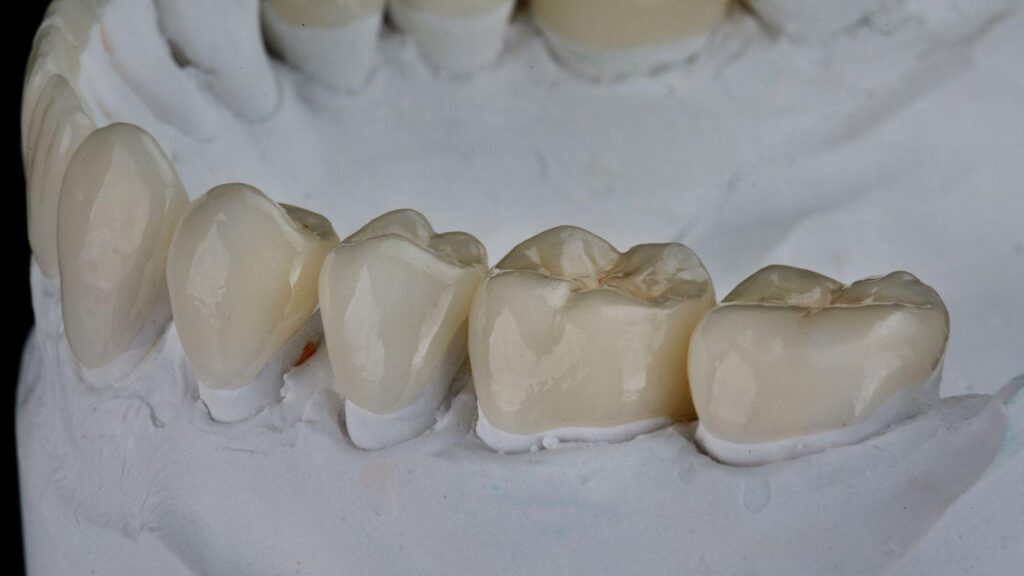
Choosing between a same-day crown and a traditional crown affects your time, cost, and long-term outcome. The best choice depends on your tooth's condition and your priorities.
If you need a fast, single-visit solution for a routine crown and value convenience, same-day crowns in Anna, TX often fit best. If your case requires complex cosmetics, stronger materials, or lab customization, a traditional crown may serve you better.
This article breaks down materials and technology, the treatment timeline, fit and appearance, durability, costs and insurance, and what matters most for patient comfort in Anna, Texas. You'll get clear, practical comparisons so you can discuss the right option with your dentist and make a decision that fits your schedule, budget, and smile goals.
Materials and Technology Differences
You’ll see clear trade-offs: same-day crowns rely on chairside digital design and milled ceramic for speed and precise fit. Traditional crowns use lab-crafted options like porcelain-fused-to-metal or full gold for specific strength and esthetic needs.
CAD/CAM Technology in Same-Day Crowns
CAD/CAM systems capture a digital scan of your prepared tooth with an intraoral scanner, create a 3D model, and mill the restoration from a ceramic block while you wait. That workflow usually finishes in one appointment, reducing visits and eliminating a temporary crown.
Digital design software lets your dentist adjust occlusion and contact points on-screen. Mills reproduce those adjustments to a high tolerance.
For Anna, Texas patients, this means predictable fit and quicker turnaround. Complex multi-tooth cases may still need lab work.
Chairside ceramics like lithium disilicate provide strong, esthetic results for most posterior and anterior crowns.
Common Materials Used for Traditional Crowns
Traditional crowns offer a wider material palette: full metal (gold or alloys), porcelain-fused-to-metal (PFM), all-ceramic (zirconia, porcelain), and layered porcelain for superior esthetics. Labs can hand-layer porcelain to match adjacent teeth, which helps when you need a custom shade or translucency.
Metal crowns excel under heavy biting forces and in limited-visual areas. PFMs balance strength and appearance but can show a dark metal margin over time.
Modern zirconia gives high strength and improving esthetics. Layered porcelain remains the go-to when top cosmetic matching matters most.
Digital Impressions vs. Traditional Molds
Digital impressions use intraoral scanners to record your teeth in real time and send files electronically to mills or labs. They cut out impression putty discomfort, reduce remakes from voids, and speed communication with the lab.
Traditional molds use alginate or polyvinyl siloxane putty to capture tooth shape, then a stone model gets shipped to the lab. That process may produce highly detailed models, especially for complex cases, but adds time, potential distortions, and the need for a temporary crown while the lab fabricates your restoration.
Treatment Timeline and Process
You will learn how long each option takes, what happens during appointments, and when a dental lab gets involved. Expect clear steps so you can plan visits and recovery.
Single-Visit Procedures
Same-day crowns use an intraoral scanner to capture a 3D image of your prepared tooth. Your dentist prepares the tooth, scans it, designs the crown with CAD software, and mills the restoration on-site—usually within 60–120 minutes.
After milling, the crown is stained, glazed, and fitted. Your dentist checks bite, adjusts fit, and bonds the crown permanently in that visit.
This limits anesthesia episodes and removes the need for a temporary crown. Not every case qualifies.
Deep subgingival fractures, complex bite adjustments, or extensive cosmetic demands may preclude single-visit crowns.
Multiple Appointment Requirements
Traditional crowns typically require two or more visits spread over 1–3 weeks. At the first visit, the dentist prepares the tooth, takes impressions, and places a temporary crown to protect the tooth and maintain spacing.
A dental laboratory fabricates the permanent crown from those impressions; turnaround commonly ranges from 5 to 14 business days depending on material and lab workload. At the second visit, your dentist removes the temporary, checks the lab crown for fit and color, makes adjustments, and cements it.
You may need extra appointments for core build-ups, root canal therapy, or try-ins when color-matching is critical.
Dental Lab Involvement
Traditional crowns rely on an off-site dental lab that crafts the restoration by hand or with laboratory CAD/CAM. Lab involvement allows a wider range of materials (e.g., layered porcelain, high-strength zirconia with lab staining) and detailed esthetic characterization.
When labs handle fabrication, you get technician-driven customization but must accept longer timelines and potential remakes if shade or fit isn’t perfect. Labs also handle complex cases like multiple-unit bridges and highly aesthetic anterior crowns more reliably.
Some same-day workflows can send digital scans to external labs for specialized materials. That hybrid approach combines faster imaging with lab-grade finishing but adds time compared with purely chairside milling.
Fit, Comfort, and Appearance
You’ll read how crowns sit, how natural they look, and what wearing a temporary feels like. Expect specifics about digital fit, shade options, and how same-day vs traditional workflows affect comfort.
Precision of Digital Customization
Digital scans capture the exact shape of your prepared tooth and adjacent teeth, so same-day crowns made with CAD/CAM often fit with very small margins. That reduces gaps where bacteria can enter and lowers the chance of post‑operative sensitivity.
Clinics in Anna using chairside milling can adjust the restoration and rebond it immediately if needed. Traditional crowns rely on physical impressions and lab work; they can achieve equal precision but require more steps—impression accuracy, lab milling, and lab check-backs—so fit depends on each step being perfect.
Ask your dentist whether they use intraoral scanners, how they verify marginal fit (explorer check, radiograph), and whether they will make same‑day adjustments before final cementation.
Color Matching and Aesthetics
Color matching for same-day crowns uses digital shade guides and real-time visualization on a screen. That gives precise control for single restorations in visible areas, especially when your dentist photographs the tooth and adjusts translucency settings before milling.
Lab‑fabricated traditional crowns give technicians more time for layered ceramics and staining, which can produce slightly superior depth and characterization for complex cosmetic cases. If you have multiple adjacent crowns or require fine layering to match high esthetic demands, ask about sample photos from the lab and try-in appointments.
Bring photos of your natural teeth in different lighting and discuss enamel translucency, surface texture, and high‑value areas so the team can match your expectations.
Temporary Crown Experience
With same-day crowns, you typically won’t wear a temporary because the final restoration is milled and cemented during the visit. That eliminates issues like temporary cement failure, discomfort from ill-fitting temporaries, and the need for extra visits to replace a lost temporary.
Traditional crown workflows require a temporary that protects the tooth while the lab makes the crown. Temporaries can feel bulkier, may alter your bite slightly, and sometimes irritate the gum if margins aren’t perfect.
You should expect to avoid chewing sticky foods and to watch for debonding during the lab turnaround. If you’re prone to sensitivity or have a history of temporary failures, tell your dentist; they can choose stronger temporary materials or consider same‑day options to minimize those risks.
Durability and Longevity
Same-day ceramic crowns and traditional crowns can both offer long service lives when fitted and maintained properly. Important differences come down to material choice, fabrication method, and how you chew and care for the restoration.
Lifespan of Ceramic Crowns
Ceramic crowns—whether milled chairside for same-day treatment or fabricated in a lab—typically last 10–15 years with normal function and good oral hygiene. Clinical studies and practice data show many last longer; factors that shorten lifespan include heavy clenching, untreated decay at margins, and poor bonding.
You can extend crown life by keeping gums healthy, using a nightguard if you grind teeth, and avoiding hard habits like opening bottles with your teeth. Regular dental checkups let your dentist spot margin breakdown or recurrent decay early, which preserves the underlying tooth and the crown.
Resistance to Wear and Fractures
High-quality ceramics used for same-day crowns (e.g., lithium disilicate, high-translucency zirconia) resist wear and have good fracture toughness when properly designed. Lab-processed porcelain fused to metal (PFM) and layered porcelains differ: PFM has a metal substructure that reduces catastrophic fracture risk, while layered porcelains can chip at the surface.
If you have heavy bite forces, your dentist will plan crown thickness, occlusal contacts, and material selection to minimize fracture risk. Microcracks from inadequate bonding or thin occlusal coverage increase failure likelihood, so precise preparation and cementation matter as much as material choice.
Suitability for Molars and High-Bite Pressure
Molars experience the highest chewing forces, so material strength and occlusal design matter most for back teeth. Full-contour zirconia or properly designed lithium disilicate crowns perform well on molars when adequate thickness (typically ≥1.0–1.5 mm occlusally) and correct occlusal adjustments are used.
If you have bruxism or a strong bite, your provider may prefer layered PFM or high-strength zirconia for posterior crowns, and recommend a nightguard to protect restorations. Same-day crowns can meet these requirements if your dentist selects the right ceramic and follows laboratory-grade milling and finishing protocols.
Cost and Insurance Considerations
You’ll find differences in up-front cost, insurance handling, and long-term value between same-day and traditional crowns. Know the typical price ranges in the Anna, Texas area, how insurers usually treat each option, and which choice may cost you less over time.
Price Comparison
Same-day crowns (CEREC/milled) in Anna typically run between $900 and $1,600 per crown, depending on material and complexity. Traditional lab-made porcelain-fused-to-metal or all-ceramic crowns usually range from $800 to $1,500, but layered porcelain or premium materials can push costs higher.
Ask your dentist for an itemized estimate that separates the crown fee, prep work, post/crown build-up, and any anesthesia or imaging charges. Same-day crowns can save you on temporary crown costs and a second appointment, which matters if you take unpaid time off or travel.
Get a written cost comparison from your clinic so you can factor in any chairside milling or lab surcharges.
Insurance Coverage Variations
Most dental plans that cover crowns treat same-day and traditional crowns the same because both restore function and aesthetics. However, coverage limits, allowed amounts, and pre-authorization requirements can differ by insurer and plan tier.
Before treatment, confirm with your insurer whether they require a lab-code distinction or prior authorization for same-day crowns. Ask your dental office to submit a predetermination that includes CDT codes, materials, and estimated patient responsibility.
If you have a PPO plan, confirm in-network lab or provider status to minimize out-of-pocket costs.
Value Over Time
Durability and the need for replacements affect lifetime cost more than the initial price. Well-made traditional crowns with high-quality lab ceramics can last 10–15 years or longer; same-day ceramic crowns commonly last 8–12 years in routine cases but track record improves with modern materials.
Consider factors that influence longevity: occlusion, bruxism, posterior vs. anterior placement, and the amount of remaining tooth structure. If you grind your teeth, discuss night guards and material choices with your dentist to reduce replacement frequency.
Factor in fewer appointments and no temporaries for same-day crowns when calculating total time and expense over years.
Common Indications and Limitations
Same-day crowns often fit patients who need a quick, durable solution with minimal appointments, while traditional crowns suit complex cases, multiple materials, and lab customization. Each approach has clinical and practical limits that affect fit, strength, esthetics, and cost.
Eligibility for Same-Day Solutions
You qualify for a same-day crown when your tooth has enough remaining structure for a monolithic restoration and you do not need extensive root canal therapy or large subgingival margins. Dentists typically choose same-day crowns for single posterior restorations and many anterior crowns when occlusion and esthetic needs are moderate.
Same-day crowns work well if your bite is stable and you can tolerate a single, longer appointment. They suit patients who want to avoid temporary crowns and multiple visits.
Ask your provider about digital scanning, chairside milling, and ceramic options like high-translucency zirconia when color matching and strength matter. If your tooth requires complex occlusal adjustments, a multi-unit bridge, or very precise laboratory shading and characterization, same-day may be less appropriate.
Also consider periodontal health; active infection or unresolved inflammation may require staged treatment before immediate definitive restoration.
Best Uses for Traditional Methods
Traditional crowns remain preferable when lab-fabricated layering, complex shading, or metal-ceramic strength is necessary. Labs can build porcelain-fused-to-metal or layered lithium disilicate restorations with custom staining, which benefits highly visible anterior teeth needing exact color gradients.
Choose traditional crowns when you require multi-unit fixed bridges or implant-supported prostheses that depend on lab analogs and screw access planning. Cases with heavy occlusal forces or bruxism often benefit from lab-tested materials and reinforced substructures that labs can fabricate and verify.
Traditional workflows also help when you need provisionalization to manage gingival contours, monitor endodontic healing, or stage treatment across multiple appointments. Expect at least two visits: preparation with a temporary and later final cementation after lab fabrication and try-in.
Contraindications to Immediate Placement
Do not place a same-day crown when active infection, unresolved endodontic issues, or inadequate tooth structure compromise long-term retention. Immediate definitive restoration risks failure if you have deep subgingival caries, poor isolation, or significant vertical fracture lines.
Avoid same-day crowns for multi-unit splinted restorations where precise occlusal relationships and lab analogs are critical. Do not use immediate crowns when implant prosthetics require custom abutments.
Severe bruxism, large cast-requiring cores, and cases needing periodontal surgery before restoration also contraindicate immediate placement. If you have limited chair-time tolerance, unreliable follow-up access, or financial constraints that affect material choice, discuss staged traditional treatment.
Your dentist will evaluate radiographs, periodontal probing, and occlusion to recommend the safest timing.
Patient Experience and Comfort in Anna, Texas
You can get a crown in one visit or across two appointments depending on the clinic you choose. Expect shorter chair time with same-day options and more lab-crafted customization with traditional labs.
Local Access to Advanced Technology
Many dental offices in Anna now offer CEREC-style same-day crown systems or similar intraoral scanning and milling setups. These offices let you avoid a temporary crown, which reduces the chance of looseness or the need for emergency repairs between visits.
If you prefer a one-visit workflow, ask if the practice uses an in-office scanner and ceramic mill. That combination typically produces a finished crown the same day.
Traditional-lab workflows remain available at several Anna practices, especially for complex cases requiring specialized ceramics or technician artistry. These clinics may schedule two appointments and send impressions to a lab when you need more intricate shading or occlusal adjustments that current milling machines in-office cannot replicate.
Feedback from Anna, Texas Residents
Local patients report high satisfaction with same-day crowns for convenience and fewer follow-up visits. Many mention no temporary-crown problems and less overall disruption to work or childcare schedules.
Some residents still choose traditional crowns when their dentist recommends lab-fabricated materials for strength or cosmetic layering. They value the lab technician’s skill for complex shade matching.
Look for patient reviews that mention fit, bite comfort, and the need for adjustments after placement. Those details give you a clearer sense of likely outcomes than generic ratings alone.
Choosing the Best Option With Your Dentist
Discuss your tooth’s condition, timeline, insurance, and cosmetic goals so your dentist can recommend the crown type that fits your situation. Bring recent X‑rays, a list of medications, and any past crown records to speed decision-making.
Personal Oral Health Factors
Tell your dentist about active decay, gum disease, and how much natural tooth remains. These determine whether a same‑day zirconia crown will bond well or whether a traditional lab crown with a custom cast post is safer.
If you grind or clench, mention it—your dentist may prefer high-strength zirconia or recommend a nightguard regardless of crown type. Note tooth position and bite relationships.
Front teeth often demand superior color matching; a layered porcelain traditional crown might give better translucency. Posterior teeth prioritize strength and can usually take same‑day options.
Also report allergies or sensitivities to metals or dental materials so your provider can choose biocompatible ceramics.
Provider Expertise and Recommendations
Ask how many crowns your dentist places weekly. Inquire whether they design and mill same‑day restorations in-office.
If your provider uses chairside CAD/CAM (CEREC), confirm they also handle occlusal adjustments and esthetic staining on-site. This helps avoid poor fit or shade mismatch.
Request to see before-and-after photos of similar cases. Ask about warranty or follow-up policy.
Confirm lab partnerships for traditional crowns. A reputable dental lab with ceramist experience improves shade matching.
Review cost and expected lifespan. Ask whether temporary crowns will be used, as these details affect maintenance and future treatment choices.