

When people think about wellness habits, medication management rarely comes to mind. Healthy eating, regular exercise, sufficient sleep, hydration, and stress management tend to receive far more attention. Yet for millions of people who rely on prescription medicines, taking the right medication at the right time is also part of maintaining everyday health.
Medication routines can be surprisingly easy to disrupt. A busy morning, an unexpected trip, a prescription that was not refilled in time, or simple uncertainty about whether a dose has already been taken can interfere with consistency.
Treating medication management as a regular wellness habit can change that. Instead of viewing prescriptions as something separate from a healthy lifestyle, people can build them into the same routines that support nutrition, sleep, movement, and preventive care.
Consistency Turns Treatment Into a Routine
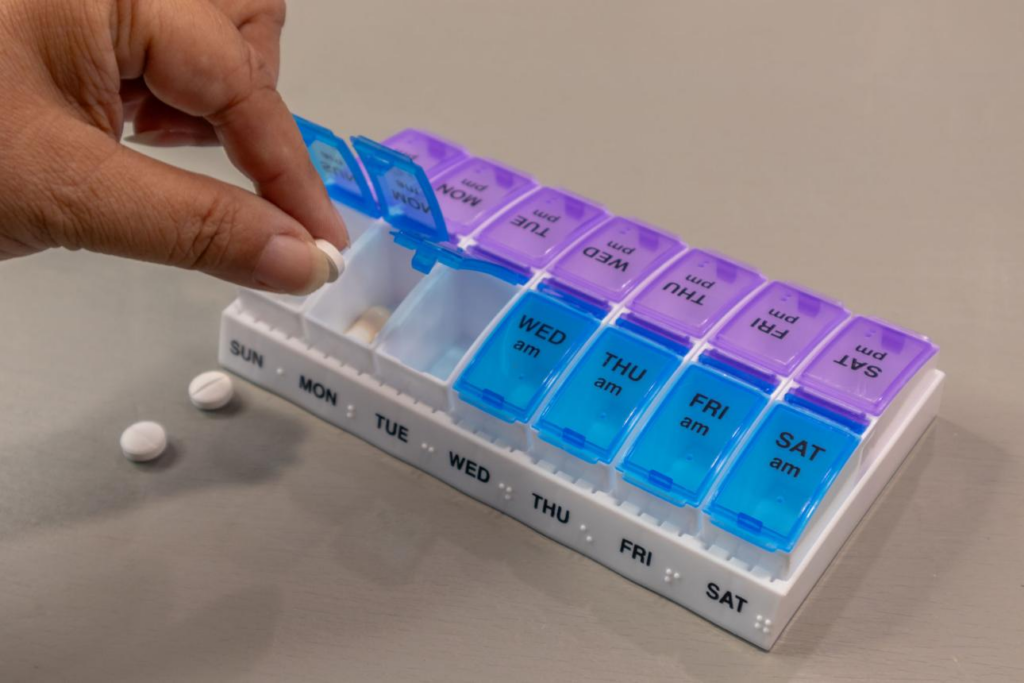
Many healthy habits work because they become predictable. Someone who exercises at the same time every morning does not need to make a new decision about when to exercise each day. The behavior gradually becomes part of the routine.
Medication management can work in much the same way.
Connecting medication with an established activity, such as breakfast or an evening routine, can make it easier to remember. The appropriate timing depends on the specific medication and its instructions, of course, so patients should follow the directions provided by their healthcare professional rather than changing a schedule for convenience.
Consistency becomes particularly important for people managing long-term conditions. Spiritus Wellness has previously discussed the importance of treatment adherence in chronic illness management, including the value of systems such as reminders and medication logs alongside continued communication with healthcare providers.
The objective is not perfection. It is creating a dependable system that makes accidental disruption less likely.
Small Barriers Can Create Bigger Problems
Missing medication is not always the result of someone deliberately ignoring medical advice. Everyday circumstances can interfere.
Work schedules change. People travel. Prescription refills are forgotten. Packaging gets misplaced. Someone taking several medicines may become confused about different schedules. A person may also stop taking a medicine because of an unpleasant side effect without first discussing the problem with the prescribing professional.
These situations illustrate why medication management involves more than remembering to swallow a tablet.
It also means knowing when a prescription will run out, understanding how it should be taken, keeping medication information organized, and knowing whom to contact when questions arise.
Access plays a role as well. Spiritus Wellness has examined how accessible healthcare resources can encourage proactive health habits, particularly through services such as prescription management, telemedicine, health education, and secure digital communication.
Reducing unnecessary friction can make it easier for people to remain engaged with their healthcare instead of waiting until a problem interrupts treatment.
Technology Can Make Medication Management Easier

A smartphone already helps many people manage appointments, calendars, finances, exercise, and sleep. It can also become a useful medication-management tool.
Digital reminders can provide prompts at scheduled times, while patient portals may allow people to review prescription information or communicate with healthcare professionals. Electronic prescribing can reduce some of the administrative steps involved in obtaining medication, and digital records can make it easier to keep important healthcare information accessible.
Prescription access has also become more flexible. Depending on the medication, location, and applicable regulations, a properly regulated online pharmacy may allow patients to manage eligible prescriptions remotely and arrange medication delivery.
Convenience, however, should never replace appropriate safeguards. Prescription medicines still require the same attention to correct prescribing, dispensing, storage, dosage, interactions, and professional guidance regardless of whether they are obtained through a physical or digital service.
Technology is most useful when it supports a safe medication routine rather than encouraging people to treat medicine like an ordinary online purchase.
Medication Habits Should Include Communication
Consistency does not mean continuing medication unquestioningly when something feels wrong.
Side effects, difficulty following a schedule, concerns about interactions, problems swallowing medication, or uncertainty about instructions should be discussed with an appropriate healthcare professional. In some circumstances, a treatment plan may need to be reviewed or adjusted.
Communication is especially important when several medications are involved. Different doctors may prescribe treatments for different conditions, and patients may also use non-prescription medicines or supplements. Keeping an accurate record can help healthcare professionals understand the complete picture.
Pharmacists can be an important part of that communication. Whether someone uses a neighborhood pharmacy or an appropriately regulated online pharmacy, access to qualified pharmacy professionals can provide an opportunity to ask questions about matters such as correct use, storage, potential interactions, and prescription instructions.
A good medication routine therefore includes knowing when to ask for help rather than attempting to solve every problem independently.
Making Medication Management Part of Everyday Wellness
Wellness is often built through ordinary actions repeated over time. A nutritious meal does not create lifelong health on its own, just as one workout cannot establish physical fitness. The value comes from patterns.
Medication management can be approached with the same mindset.
For someone who depends on prescription treatment, maintaining an organized routine can sit alongside sleep, nutrition, movement, preventive appointments, and stress management as another component of looking after long-term health.
That routine may evolve as circumstances change. New medications may be prescribed, others may be discontinued, schedules can change, and health needs can become more complex. Regular reviews with healthcare professionals can help ensure that the system remains appropriate.
The broader lesson is that wellness is not limited to the habits commonly associated with fitness or self-care. For people who need medication, following an appropriate treatment plan consistently can be one of the most practical wellness habits of all.
Making that process easier, more organized, and better connected to professional care can help medication management become what it should be: a normal part of looking after health rather than another source of everyday stress.