

Orthodontic treatment is often associated with adolescence. Braces, retainers, and conversations about tooth alignment can seem like milestones that belong primarily to the teenage years. Yet there is no age at which wanting healthier alignment suddenly becomes irrelevant.
Adults seek orthodontic treatment for many reasons. Some never had treatment when they were younger, while others notice that teeth have shifted gradually over time. Previous orthodontic results can also change when retainers are no longer worn as advised. For some people, appearance is the main motivation, but tooth alignment can also influence everyday oral hygiene, bite function, and long-term dental care.
Seen from that perspective, orthodontics can be part of a wider approach to wellness. A straighter smile may be visible on the outside, but the reasons for pursuing treatment can extend well beyond appearance.
Tooth Alignment Can Affect Everyday Oral Care
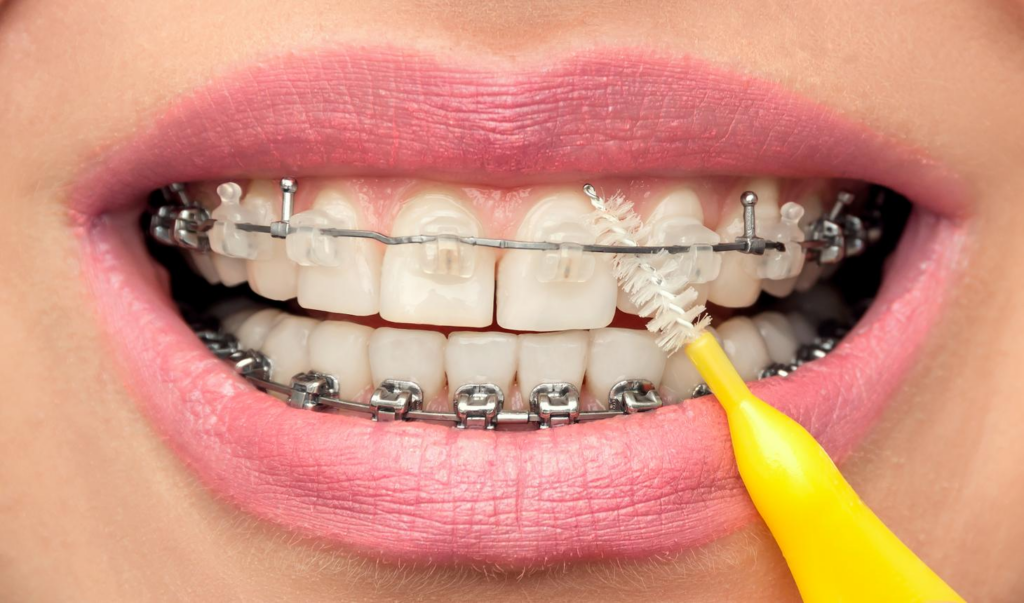
Crowded and overlapping teeth can create areas that are more difficult to brush and floss effectively. Food and plaque may accumulate in spaces that are awkward to reach, making a consistent oral-hygiene routine more challenging.
Improving alignment does not eliminate the need for brushing, flossing, professional examinations, or dental cleaning. What it can sometimes do is make certain areas of the mouth easier to maintain.
Spiritus Wellness has previously explored how everyday habits can support healthy tooth alignment, including attention to oral habits and the importance of recognizing when professional intervention is required.
For adults considering orthodontics, that professional assessment matters. Crowding, spacing, bite problems, and tooth movement do not all have the same cause or require the same solution. An orthodontist or appropriately qualified dental professional can assess the teeth, gums, jaws, and bite before recommending treatment.
This is particularly important because oral health should generally be stable before elective orthodontic treatment begins.
A Balanced Bite Matters as Well as a Straighter Smile
People naturally notice the appearance of their front teeth, but orthodontics involves more than arranging teeth into a visually attractive line.
How the upper and lower teeth meet can influence chewing and the way forces are distributed across the teeth. Some orthodontic problems therefore require attention to the overall bite rather than simply the appearance of individual teeth.
This distinction helps explain why two adults who both want straighter smiles may receive very different treatment recommendations.
For someone researching adult braces, a comprehensive assessment can establish whether the concern is limited to mild crowding or whether tooth position is connected to a broader bite issue. The answer may influence the type and duration of treatment.
Aesthetic goals still matter. Adults understandably want to feel comfortable with their smiles. But the best orthodontic plan should consider appearance alongside function and oral health rather than treating them as completely separate concerns.
Adult Treatment Has to Fit Around Adult Life
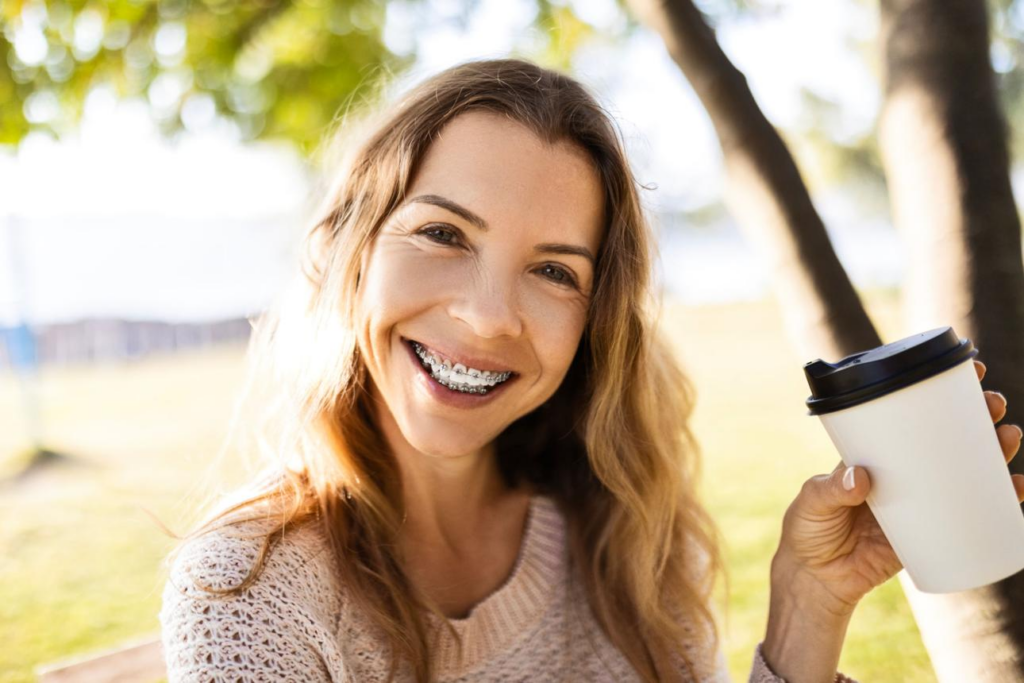
One of the biggest differences between teenage and adult orthodontics is the lifestyle surrounding treatment.
Adults may be balancing careers, meetings, family responsibilities, travel, social events, and existing dental work. Some may already have crowns, implants, missing teeth, or a history of gum problems that needs to be considered during treatment planning.
Modern orthodontics offers different approaches, but suitability varies. Traditional fixed braces remain valuable for many cases, while other systems may be appropriate depending on the type and complexity of tooth movement required.
Treatment also creates new responsibilities. Fixed appliances can make cleaning around the teeth more demanding, while removable appliances depend heavily on patients following wear instructions. Appointments and monitoring need to become part of the routine.
That makes consistency particularly important.
Spiritus Wellness describes wellness as an ongoing part of everyday life rather than a single action. Orthodontic care fits that philosophy surprisingly well. Progress comes through repeated habits: maintaining oral hygiene, following professional instructions, attending reviews, and eventually wearing retainers as advised.
The treatment may be temporary, but the habits surrounding it can support oral health for much longer.
Confidence Is a Valid Part of Wellbeing
It would be equally misleading to suggest that appearance does not matter.
People smile during conversations, photographs, celebrations, interviews, dates, presentations, and countless ordinary social interactions. If someone has felt self-conscious about their teeth for years, changing their smile may affect how comfortable they feel in those situations.
That does not mean straighter teeth automatically create confidence or solve deeper concerns about self-image. Dental treatment should not be presented as a requirement for feeling attractive or successful.
However, adults are entitled to make informed choices about aspects of their appearance that matter to them.
For some, adult braces may be primarily about correcting a bite or making oral hygiene easier. For others, feeling more comfortable when smiling may be an equally meaningful reason for treatment. Often, several motivations exist at the same time.
A wellness-focused approach can acknowledge those motivations without promoting an unrealistic standard of perfect teeth.
Orthodontic Wellness Continues After Treatment
The day orthodontic appliances are removed is an important milestone, but it is not necessarily the end of the process.
Teeth have a tendency to move, which is why retention is an important part of orthodontic care. Patients are commonly advised to use retainers according to the instructions provided by their orthodontic professional to help maintain the new tooth positions.
Regular dental care also remains essential. Straighter teeth can still develop decay or gum problems, and cosmetic improvement does not replace routine prevention.
This is where orthodontics fits naturally into the larger idea of wellness. The objective is not simply to create a straighter smile for a photograph at the end of treatment. It is to establish a result that can be looked after over the years that follow.
For adults who once assumed orthodontic treatment had passed them by, that broader perspective can be useful. Age alone does not determine whether someone should explore treatment. Oral health, individual needs, treatment goals, and professional assessment matter far more.
A straighter smile may be the most visible outcome, but easier oral care, appropriate bite correction, greater confidence, and stronger engagement with dental health can all form part of the journey. In that sense, adult orthodontics can be about much more than changing how teeth look. It can become another considered investment in long-term wellbeing.