
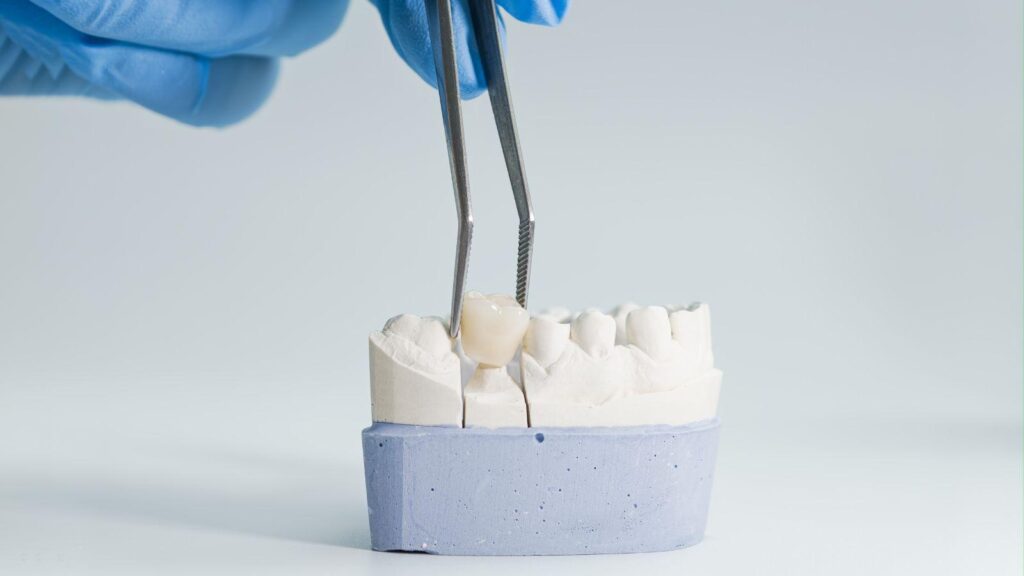
If you have a cracked, badly decayed, or heavily worn tooth but healthy roots and gums, you may qualify for a same-day crown that protects the tooth and restores function without multiple visits. Same-day crowns in Evansville, IN work best when your oral hygiene is good, gum disease is controlled, and there's enough healthy tooth structure to support a precise restoration.
You'll also want to consider your overall health, medical history, and lifestyle. Conditions like uncontrolled diabetes, active gum infection, or habits such as heavy grinding can affect success and may require treatment or alternative plans first.
Dental Health Prerequisites
You need adequate remaining tooth structure, healthy gums around the tooth, and a reliable daily oral hygiene routine before a dentist will recommend a same-day crown. These factors determine whether a single-visit crown will fit properly, bond securely, and last.
Tooth Structure Requirements
You need enough healthy tooth above the gumline for a crown to grip. If decay, large existing fillings, or fractures leave minimal tooth, your dentist may need to rebuild the core with composite or perform a root canal before crowning.
Teeth with vertical root fractures or fractures extending below the gumline often require extraction or a different restorative plan. Your bite forces matter.
If you grind or clench, your dentist may recommend strengthening procedures or a night guard to protect the new restoration. Discuss material options—zirconia, porcelain-fused-to-metal, or lithium disilicate—so the crown matches strength needs and esthetic goals.
Gum Condition Considerations
Your gums must be free of active infection around the tooth scheduled for a crown. Periodontal pockets, bleeding on probing, or pus indicate gum disease that can compromise the crown margin and bonding.
Your dentist will evaluate pocket depths and may require periodontal therapy before proceeding. Gum margin position affects fit and esthetics.
If the margin is too close to or below the gumline, your dentist might perform minor crown lengthening or use soft-tissue management to expose sound tooth structure. Healthy, stable gum tissue reduces the risk of margin exposure and recurrent decay.
Oral Hygiene Status
You must demonstrate consistent plaque control and low levels of inflammation for predictable crown success. High plaque or untreated cavities elsewhere in the mouth increase the chance of failure at the crowned tooth.
Expect your dentist to check your brushing and flossing habits and possibly clean the mouth before the single-visit procedure. Maintain regular recalls after the crown.
Daily brushing with fluoride toothpaste, interdental cleaning, and professional exams help catch early problems that could otherwise undermine the crown.
Eligibility Based on Dental Issues
Same-day crowns often work when the tooth structure is compromised but the root and surrounding support are healthy. Your dentist evaluates damage, previous restorations, and visible tooth structure to decide if a single-visit crown is appropriate.
Cracked or Fractured Teeth
If your tooth has a single-line crack that doesn’t extend under the gumline, a same-day crown can protect the tooth and prevent the crack from worsening. The crown covers and stabilizes remaining enamel and dentin, reducing pain from chewing and protecting the pulp from bacterial invasion.
You may not qualify if the fracture extends below the gum margin or into the root. In those cases, your provider may recommend root canal therapy, a post-and-core buildup, or a conventional crown after periodontal or endodontic treatment.
Your dentist will use digital X-rays and intraoral scans to map the fracture and confirm that the tooth’s root and surrounding bone are stable.
Large Fillings Replacement
When your tooth has a large existing filling that leaves little natural tooth structure, a same-day crown often provides superior long-term strength. Crowns encapsulate weak walls that fillings can’t adequately support, lowering the risk of future fracture.
If the filling is under recurrent decay or the tooth has active infection, you’ll need treatment first. Your dentist will assess remaining tooth height and ferrule to ensure enough structure exists for a lasting crown.
Cosmetic Restoration Needs
You can get a same-day crown to correct shape, size, color, or alignment issues when veneers or bonding are unsuitable. Same-day crowns let your dentist mill a custom ceramic restoration that matches adjacent teeth in one visit.
Severe discoloration from root canal-treated teeth or extensive enamel loss often responds well to a crown rather than whitening or bonding. Your dentist will discuss shade selection, translucency, and margin placement to balance aesthetics with gum health and function.
Patient Health and Medical History
Your overall health, current illnesses, and medications influence whether a same-day crown is safe and likely to succeed. Dentists review systemic conditions, infection risks, and drugs that affect bleeding, healing, or bonding before proceeding.
Impact of Chronic Illnesses
Chronic conditions such as diabetes, autoimmune diseases, and heart disease can affect healing and infection risk after crown preparation. If you have poorly controlled diabetes, you face slower soft-tissue healing and a higher chance of postoperative infection.
Dentists often require better glycemic control before elective restorative work. Autoimmune conditions or immunosuppressive therapies reduce your ability to fight oral bacteria, so your provider may delay treatment or coordinate with your physician.
For heart disease or recent cardiac events, your dentist will check clearance requirements and may use antibiotic prophylaxis only when current guidelines indicate it. If periodontal disease or active tooth infection exists, those sites usually need treatment first.
You must have stable gum health and no unresolved endodontic infection for predictable same-day crown outcomes.
Allergy Concerns
Allergic reactions to dental materials—metals, acrylics, or resin components—are uncommon but important to identify. Tell your dentist about any history of contact dermatitis, oral swelling, or respiratory reactions to metals or dental resins.
If you report a metal allergy, your dentist can select ceramic or high-noble materials and verify biocompatibility. For resin or adhesive sensitivities, patch testing through an allergist can clarify triggers before bonding.
Documented anaphylaxis to dental components requires detailed planning and emergency readiness in the office.
Medication Interactions
Certain medications alter bleeding, healing, or the bonding chemistry used for crowns. Anticoagulants increase bleeding risk during tooth preparation.
You and your prescribing clinician may adjust dosing only when safe, or the dentist may use local measures to control bleeding without stopping therapy. Bisphosphonates or denosumab raise concern for medication-related osteonecrosis after invasive dental work.
Your dentist will assess duration and route and coordinate care with your physician. Smoking cessation and avoidance of cannabis can also improve bonding and healing outcomes.
Steroids and immunosuppressants blunt inflammation and slow mucosal repair, so your provider may delay elective crowns until dosing is minimized or infection risk is managed.
Lifestyle and Personal Preferences
Your daily schedule, appearance goals, and tolerance for dental visits affect whether same-day crowns fit your life. Consider how much time you can spend in a single appointment and how closely the crown must match surrounding teeth.
Time Constraints
If you need a crown but have limited appointment time, same-day crowns often complete preparation, scanning, milling, and placement in one visit that typically lasts 60–120 minutes. That saves you from scheduling multiple visits and avoids wearing a temporary crown for weeks.
Plan for a slightly longer single appointment than a routine checkup. You should arrange transportation if you prefer not to drive afterward, and factor in any work or childcare needs.
If you require multiple teeth treated or need complex gum work first, expect additional visits despite same-day technology.
Aesthetic Expectations
Same-day crowns use ceramic materials that can closely match tooth color, shape, and translucency, but results depend on the lab workflow and in-office color matching. If you require an exact shade match for a front tooth, discuss shade mapping, photographs, and possible stain/glaze options with your dentist beforehand.
If you prioritize minimal chair time over laboratory customization, same-day crowns provide very good cosmetic results for most cases. For highly customized translucency or layered ceramic effects, you may prefer a lab-made crown crafted over multiple appointments.
Limitations and Exclusion Criteria
You should expect specific clinical limits that can prevent same-day crown treatment. These limits usually relate to tooth structure, surrounding bone or gum health, and how your teeth meet when you bite.
Severe Tooth Decay
If decay has destroyed most of the natural tooth structure, a same-day crown may not be viable. Crowns require a stable core of healthy tooth to bond and support the restoration.
When decay extends below the gum line or into the root, you may need root canal therapy, periodontal treatment, or even extraction before a final restoration can be planned. Your dentist will assess remaining tooth walls and the ferrule effect.
If there isn’t enough structure, options include a post-and-core build-up, a conventional crown after more extensive preparation, or replacing the tooth with an implant-supported crown.
Extensive Tooth Loss
Same-day crowns work best when they cap an individual tooth with sufficient adjacent support. If you have multiple missing teeth or large segments of the dental arch compromised, same-day single-tooth restorations may not address functional or aesthetic needs.
Bridges and implant-supported restorations often provide better long-term stability for larger gaps. When multiple teeth are missing, your clinician will evaluate arch support and occlusal forces.
You might need bone grafting, implant placement, or a multi-unit fixed prosthesis rather than a single-session crown.
Bite Misalignment Challenges
Significant malocclusion, severe bruxism, or an unstable bite can compromise a same-day crown’s fit and longevity. Excessive forces increase the risk of chipping, fractures, or premature failure of ceramic restorations.
Your dentist will check for wear facets, muscle tenderness, and how the new crown affects your bite. Management options include occlusal adjustment, nightguard therapy, orthodontic correction, or delaying restoration until you’ve addressed the underlying bite issue.
In some cases, a stronger material or a lab-fabricated crown with specialized occlusal design may be recommended instead of a same-day option.
Consultation and Assessment Process
You will receive a focused exam that checks tooth structure, gum health, and bite alignment. Expect digital imaging and a step-by-step clinical assessment to determine whether a same-day crown is appropriate and which materials and design will work best.
Diagnostic Imaging
Your dentist will usually take a digital intraoral scan and, when needed, a periapical X-ray or CBCT. The intraoral scan captures precise 3D geometry of the prepared tooth and neighboring teeth for on-site milling.
X-rays evaluate root health, existing restorations, and bone level. A periapical film detects hidden decay or periapical pathology that would rule out immediate crown placement.
A CBCT scan may be ordered if you have complex anatomy, suspected root fractures, or implant-related concerns. Bring recent dental records if available.
Clear images reduce surprise findings and often let the team complete design and milling in the same visit.
Dentist Evaluation Steps
Your dentist inspects the tooth for remaining tooth structure, fracture lines, and decay extent. They also check for prior endodontic treatment.
They test pulp and periapical status when indicated to confirm the tooth’s vitality. This helps determine if root canal therapy is needed before crown placement.
Periodontal health is assessed by checking probing depths, bleeding, and tissue recession. This ensures crown margins will sit on healthy tissue.
Occlusion is checked with articulating paper and bite tests. This ensures the crown won’t interfere with your bite or cause wear.
The clinician discusses material choices, such as monolithic ceramic versus layered porcelain. Temporary needs and estimated chair time are also addressed.
You’ll receive a clear treatment plan with risks and alternatives. Next steps are outlined if same-day treatment isn’t suitable.