
Breast cancer surgery has evolved dramatically over the past two decades, moving away from the aggressive, disfiguring procedures that once defined treatment. Today, surgical techniques prioritize not only removing cancer effectively but also preserving the breast's appearance and supporting emotional recovery. This shift reflects a deeper understanding that healing encompasses both physical health and psychological well-being, recognizing that women facing breast cancer deserve treatment options that honor their bodies and their sense of self.
The integration of plastic surgery principles into oncological care has fundamentally changed what is possible. Where surgeons once focused solely on tumor removal with wide margins, modern approaches combine cancer excision with immediate reconstruction techniques, reducing the number of surgeries required and improving cosmetic outcomes. These advances matter because the psychological impact of breast cancer treatment can be as challenging as the disease itself, affecting body image, intimacy, and quality of life long after treatment ends.
Understanding Oncoplastic Approaches to Breast Conservation
Oncoplastic surgery merges cancer removal with plastic surgery techniques during a single operation. Rather than simply excising the tumor and closing the incision, surgeons reshape the remaining breast tissue to maintain symmetry and contour. This approach allows for wider excision margins while producing better aesthetic results than traditional lumpectomy alone.
The technique proves particularly valuable for women with larger tumors relative to breast size, tumors in difficult locations such as the lower pole or near the nipple, or those requiring removal of significant tissue volume. In these cases, standard breast-conserving surgery might leave noticeable deformities—dimpling, asymmetry, or distortion that serves as a constant reminder of cancer. Oncoplastic methods address these concerns through volume displacement techniques, which rearrange existing breast tissue, or volume replacement techniques, which may use tissue from nearby areas.
Candidates for oncoplastic procedures typically undergo careful evaluation including imaging studies, tumor biology assessment, and discussion of personal preferences. The approach requires coordination between surgical oncologists and plastic surgeons, ideally working together in the operating room. Not every patient qualifies—factors such as tumor location, breast size, prior surgeries, and radiation history all influence whether oncoplastic techniques are suitable.
Robotic and Minimally Invasive Mastectomy Options
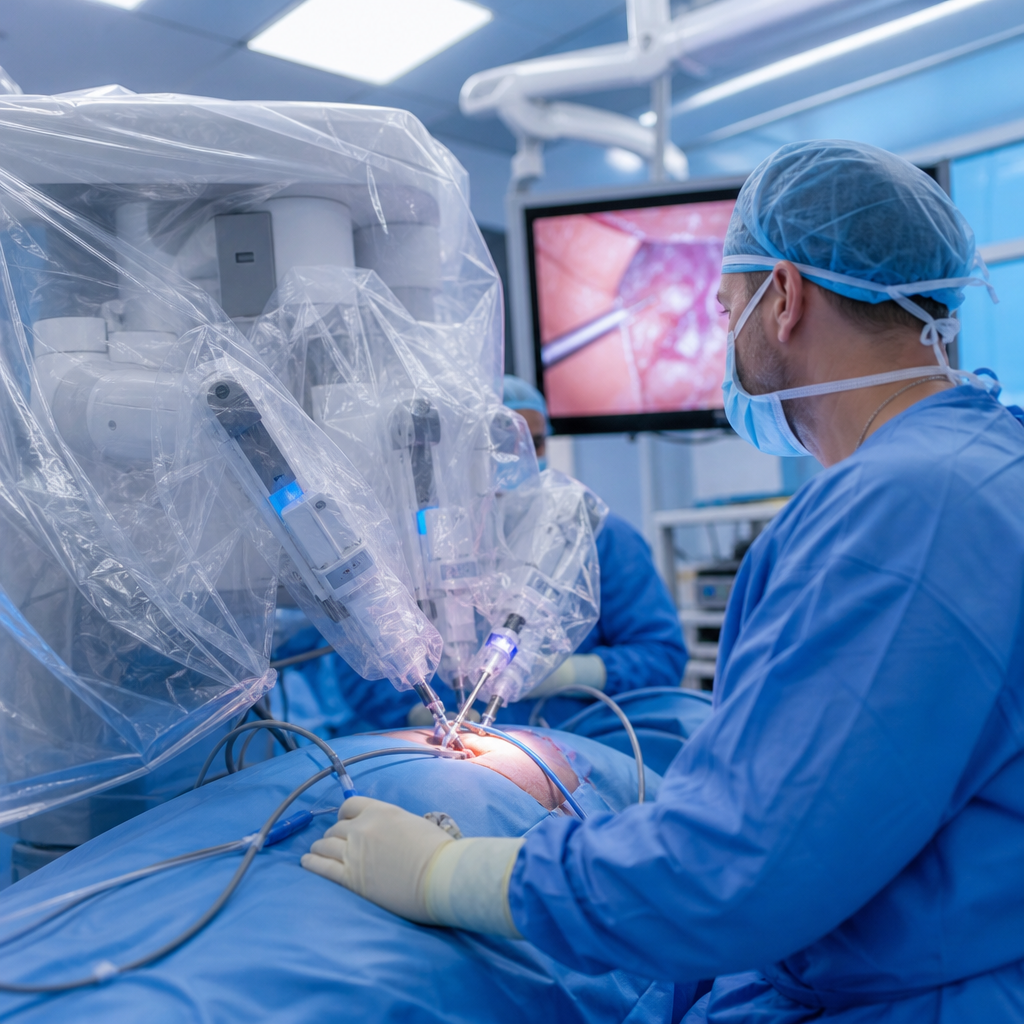
For women requiring mastectomy, robotic-assisted techniques represent a significant advancement. These procedures use small incisions placed in inconspicuous locations such as the armpit, allowing surgeons to remove breast tissue while preserving the overlying skin envelope. The robotic system provides magnified, three-dimensional visualization and instruments with enhanced dexterity, enabling precise dissection in the confined space between skin and breast tissue.
The primary advantage lies in scar placement. Traditional mastectomy incisions cross the breast mound itself, remaining visible even after reconstruction. Robotic nipple-sparing mastectomy hides incisions in the natural crease of the armpit, leaving the breast skin intact for immediate reconstruction. This approach works best for women with smaller to moderate breast sizes, earlier-stage cancers not involving the skin or nipple, and those seeking prophylactic mastectomy due to genetic risk.
Recovery differs from conventional mastectomy. While the internal tissue removal is identical, the hidden incision and preserved skin envelope often result in less visible scarring. However, the procedure takes longer than traditional mastectomy, and specific complications such as skin necrosis risk must be weighed against cosmetic benefits. Not every facility offers robotic mastectomy, and surgeon experience with the technology matters significantly for outcomes.
Advanced Reconstruction: From Implants to Autologous Tissue
Reconstruction options have expanded well beyond the tissue expanders and implants that dominated decades ago. While implant-based reconstruction remains common and appropriate for many women, autologous tissue reconstruction uses the patient's own tissue—typically from the abdomen, thighs, or back—to create a new breast mound. The DIEP flap procedure, which transfers abdominal skin and fat while preserving abdominal muscles, has become a gold standard for autologous reconstruction.
Women in Abu Dhabi and across the UAE seeking comprehensive breast cancer care can access these sophisticated techniques through specialized programs. Cleveland Clinic Abu Dhabi's Breast Health & Cancer Program offers oncoplastic surgery in abu dhabi as part of integrated treatment pathways that combine medical oncology, radiation therapy, and reconstructive options under one multidisciplinary team, ensuring coordinated care from diagnosis through recovery.
Choosing between implant and autologous reconstruction involves multiple considerations. Implant reconstruction requires shorter operative time, involves simpler recovery initially, and avoids donor site scars. However, implants may require replacement over time, can feel less natural, and carry risks of capsular contracture or implant failure. Autologous reconstruction provides a more natural feel and appearance, uses living tissue that ages with the body, and avoids implant-related complications, but demands longer surgery, leaves scars at the donor site, and requires more extensive recovery. Body habitus, lifestyle, prior surgeries, radiation history, and personal priorities all factor into the decision.
The Role of Genetic Testing and Preventive Surgery
Genetic testing has transformed risk assessment for breast cancer, particularly for women with BRCA1, BRCA2, or other hereditary cancer syndrome mutations. These individuals face substantially elevated lifetime cancer risk—up to 70 percent for BRCA mutation carriers compared to roughly 12 percent in the general population. This knowledge enables proactive decisions, including enhanced screening protocols or risk-reducing surgeries.
Prophylactic mastectomy reduces breast cancer risk by approximately 90 percent in high-risk women, though it cannot eliminate risk entirely as small amounts of breast tissue may remain. The decision to pursue preventive surgery is deeply personal, weighing cancer anxiety and risk reduction against surgical recovery, loss of natural breast tissue, and reconstruction outcomes. Genetic counseling helps women understand their specific risk profile, explore all options including enhanced surveillance, and make informed choices aligned with their values.
For women who develop breast cancer while carrying genetic mutations, treatment decisions become more complex. Should they undergo breast conservation with radiation, or mastectomy with reconstruction? Should they consider removing the unaffected breast preventively? These questions lack universal answers—each woman's situation differs based on tumor characteristics, age, family planning considerations, and personal preferences regarding risk tolerance and body image.
Managing Lymphedema Risk Through Surgical Prevention
Lymphedema, chronic swelling resulting from lymphatic system damage, remains one of breast cancer treatment's most frustrating complications. It can develop months or years after surgery and radiation, particularly when lymph nodes are removed from the armpit. Once established, lymphedema requires lifelong management through compression garments, manual drainage, and exercise programs.
Surgical approaches have evolved to minimize lymphedema risk. Sentinel lymph node biopsy, which removes only one to three lymph nodes for testing rather than the full axillary contents, dramatically reduced lymphedema rates compared to complete axillary dissection. For women who do require more extensive node removal, immediate lymphatic reconstruction techniques can be performed during the same surgery, connecting severed lymphatic vessels to nearby veins to maintain drainage pathways.
Prevention strategies also include careful surgical technique, avoiding unnecessary lymph node removal, and patient education about arm care following surgery. Women should avoid blood pressure measurements, injections, or blood draws from the affected arm when possible, protect the arm from cuts and burns, maintain healthy weight, and stay active with appropriate exercise. Early intervention at the first sign of swelling—tightness, heaviness, or subtle size changes—can prevent progression to more severe, irreversible lymphedema.
Integrating Surgical Care Within Comprehensive Treatment
Surgery rarely stands alone in breast cancer treatment. Most patients receive multimodal therapy combining surgery with chemotherapy, radiation, hormonal therapy, or targeted treatments. The sequence and timing of these therapies matter—some women receive chemotherapy before surgery to shrink tumors and enable breast conservation, while others undergo surgery first followed by adjuvant systemic therapy based on pathology findings.
According to established treatment protocols, decisions about therapy sequence depend on tumor biology, stage, and individual patient factors. Multidisciplinary tumor boards, where surgeons, medical oncologists, radiation oncologists, pathologists, and radiologists review cases together, ensure treatment plans reflect current evidence and address each patient's unique situation comprehensively.
This coordinated approach extends beyond the treatment phase into survivorship care. Women who have completed breast cancer treatment require ongoing surveillance, management of treatment side effects, attention to psychological well-being, and support for returning to normal life. Survivorship care plans outline follow-up schedules, address concerns such as fertility preservation for younger women, and connect patients with resources for managing late effects of treatment including fatigue, cognitive changes, and menopausal symptoms induced by therapy.
Making Informed Decisions About Surgical Options
Facing breast cancer diagnosis creates overwhelming pressure to make treatment decisions quickly. While cancer treatment should not be delayed indefinitely, taking time to understand options, seek second opinions, and consider personal priorities improves long-term satisfaction with care. Most breast cancers do not require emergency surgery—a few weeks spent gathering information and building a treatment team rarely compromises outcomes.
Essential questions to discuss with your surgical team include: What are my surgical options given my tumor characteristics? How do these options affect my chances of cure? What will recovery involve for each approach? What will my breast look like after surgery and any planned reconstruction? How will surgery fit with other treatments I may need? What experience does the surgeon have with the proposed technique? Understanding both medical and practical implications helps align treatment choices with your lifestyle, values, and goals beyond simply eliminating cancer.
Support systems matter throughout the treatment journey. Connecting with other women who have faced similar decisions, whether through formal support groups or online communities, provides practical insights that medical teams cannot offer. These connections help normalize the emotional upheaval of diagnosis, offer strategies for managing side effects, and remind patients they are not alone in navigating this challenging experience. The choices made regarding surgery affect not just survival, but quality of life, body image, and emotional well-being for years to come. Approaching these decisions thoughtfully, with good information and adequate support, empowers women to choose paths that honor both their health needs and their sense of self. Before making treatment decisions, patients should review all available information carefully, including any relevant policies and guidelines that may apply to their care journey.