
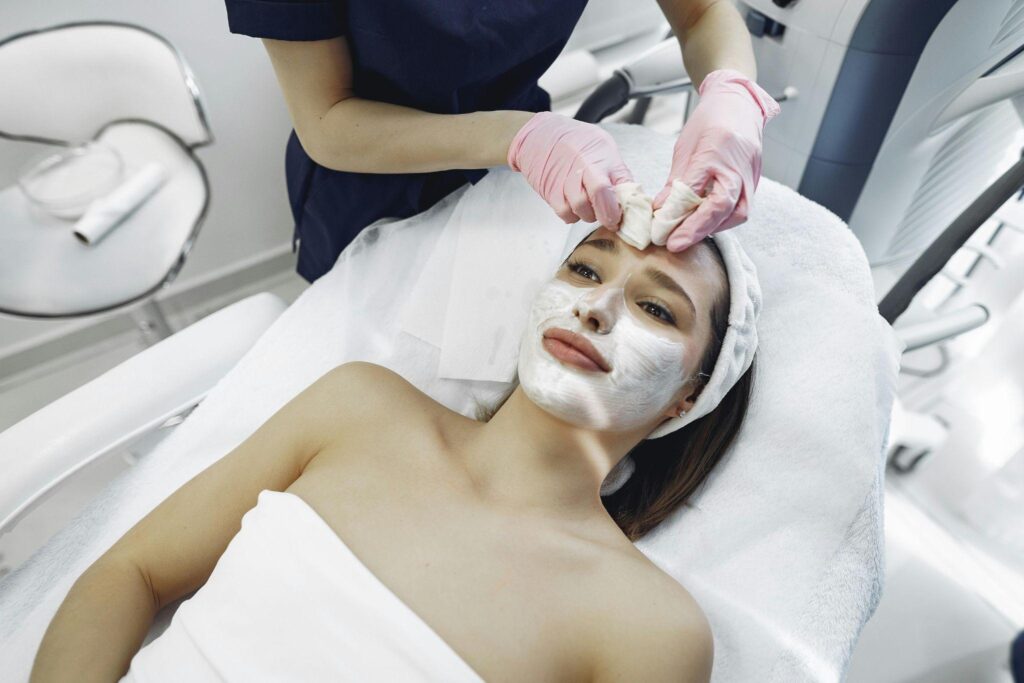
Aesthetic treatments have become a popular part of modern self-care. From smoothing fine lines and improving skin texture to restoring a more refreshed appearance, cosmetic procedures offer many ways for people to feel more confident in their skin. While these treatments focus on enhancing appearance, the best results often begin long before the procedure itself.
Preventive healthcare plays a vital role in creating safe and effective aesthetic experiences. Taking the time to evaluate a person’s health before treatment allows providers to identify potential concerns, recommend appropriate procedures, and develop personalized care plans. Instead of viewing medical evaluations as an extra step, patients can see them as an important investment in both their health and their beauty goals.
As wellness continues to shape the future of aesthetic medicine, more people are recognizing that healthy choices and informed medical care go hand in hand.
Beauty and Health Are Closely Connected
Healthy skin is influenced by much more than skincare products. Daily habits, nutrition, sleep quality, stress levels, hydration, and underlying medical conditions all contribute to how the skin looks and responds to treatment.
Someone with well-managed health and consistent wellness habits may experience smoother healing and more predictable cosmetic results. On the other hand, untreated health concerns or certain medications may affect recovery or increase the risk of complications.
This is why providers look beyond surface-level concerns during an initial consultation. A complete picture of a patient’s health helps create a treatment plan that supports both safety and long-term success.
Why Medical Evaluations Matter
Many aesthetic procedures are minimally invasive, but they still involve medical decision-making. Before recommending a treatment, providers need to understand whether it is appropriate for the individual’s health profile.
A professional medical evaluation often includes a discussion about:
- Current medical conditions
- Prescription medications and supplements
- Allergies or sensitivities
- Previous cosmetic procedures
- Skin concerns and treatment goals
- Lifestyle habits
- Overall wellness history
This information helps providers recommend procedures that fit the patient’s needs rather than relying on a one-size-fits-all approach.
Medical evaluations also create an opportunity to answer questions, explain treatment options, and establish realistic expectations before moving forward.
The Benefits of Taking an Exam Before Treatment
Completing a health assessment before an aesthetic procedure offers several valuable advantages.
1. Improved Safety
Patient safety should always come first. Reviewing a person’s medical history helps identify conditions or medications that could influence treatment or recovery.
Early awareness allows providers to make informed decisions and reduce avoidable risks.
2. Personalized Treatment Planning
Every person’s skin, health history, and cosmetic goals are different. Medical evaluations allow providers to create treatment plans that reflect those individual differences.
Personalized care often leads to:
- More suitable treatment recommendations
- Better communication
- Greater patient satisfaction
- Improved long-term results
3. Better Cosmetic Outcomes
When treatments are selected based on both health and aesthetic goals, patients are more likely to achieve natural-looking and consistent results.
Providers can also recommend preparation strategies that support healthier skin before treatment and smoother recovery afterward.
4. Increased Confidence
Knowing that a qualified healthcare professional has reviewed your medical history can make the treatment experience feel more reassuring.
Patients often feel more confident when they understand why a specific procedure is recommended and how it fits their overall health.
5. Stronger Patient-Provider Relationships
Medical evaluations encourage open communication between patients and providers.
During these conversations, patients can discuss:
- Treatment expectations
- Potential risks and side effects
- Recovery timelines
- Alternative procedures
- Long-term maintenance plans
This collaborative approach helps patients make informed decisions while building trust throughout the treatment process.
Lifestyle Choices Influence Cosmetic Results
Aesthetic treatments work best when paired with healthy lifestyle habits.
Many providers encourage patients to pay attention to factors such as:
- Balanced nutrition
- Proper hydration
- Regular physical activity
- Adequate sleep
- Stress management
- Sun protection
- Avoiding tobacco products
- Limiting excessive alcohol consumption
These habits support healthy skin, improve healing, and may help extend the results of cosmetic procedures.
Looking at lifestyle alongside medical history allows providers to offer more comprehensive recommendations that benefit both appearance and overall wellness.
Preventive Healthcare Creates Better Experiences
Preventive healthcare focuses on reducing risks before they become problems. In aesthetic medicine, this means evaluating patients before treatment rather than responding to complications afterward.
One example is a good faith exam for clinics, which allows qualified healthcare professionals to assess a patient’s medical history and determine whether a planned aesthetic procedure is appropriate. This evaluation supports individualized treatment planning while helping patients make informed decisions about their care.
When preventive measures become part of the treatment process, patients often enjoy a safer experience and greater peace of mind.
Questions Worth Asking Before Cosmetic Treatment
Patients should take an active role in understanding their treatment options. Asking thoughtful questions during a consultation can help ensure they feel prepared and informed.
Consider discussing questions such as:
- Am I a suitable candidate for this procedure?
- Are there any health concerns that may affect my results?
- How should I prepare before treatment?
- What is the expected recovery process?
- Are there alternative treatments available?
- How can I maintain my results over time?
These conversations strengthen communication and help patients make confident decisions.
The Value of Medical Collaboration
High-quality aesthetic care often involves teamwork behind the scenes. Medical oversight helps ensure that patient evaluations, treatment planning, and safety protocols are consistently maintained.
Many practices rely on collaborating physician services to provide clinical guidance, review patient care processes, and support healthcare professionals who perform aesthetic procedures. This collaborative approach helps maintain high standards while reinforcing a patient-first philosophy throughout the treatment journey.
For patients, this additional level of oversight contributes to greater confidence in the quality and safety of the care they receive.
Final Thoughts
Preventive healthcare has become an essential part of modern aesthetic medicine. Rather than focusing only on cosmetic improvements, today’s approach recognizes that lasting beauty begins with good health, thoughtful planning, and personalized care.
A professional medical evaluation allows providers to understand each patient’s health history, lifestyle, and treatment goals before recommending cosmetic procedures. This process improves safety, supports better outcomes, and encourages informed decision-making every step of the way.
When patients combine healthy daily habits with professional medical guidance, they create the foundation for successful aesthetic treatments and long-term skin wellness. In the end, the most rewarding cosmetic experiences are those built on prevention, education, and a commitment to caring for both appearance and overall health.