
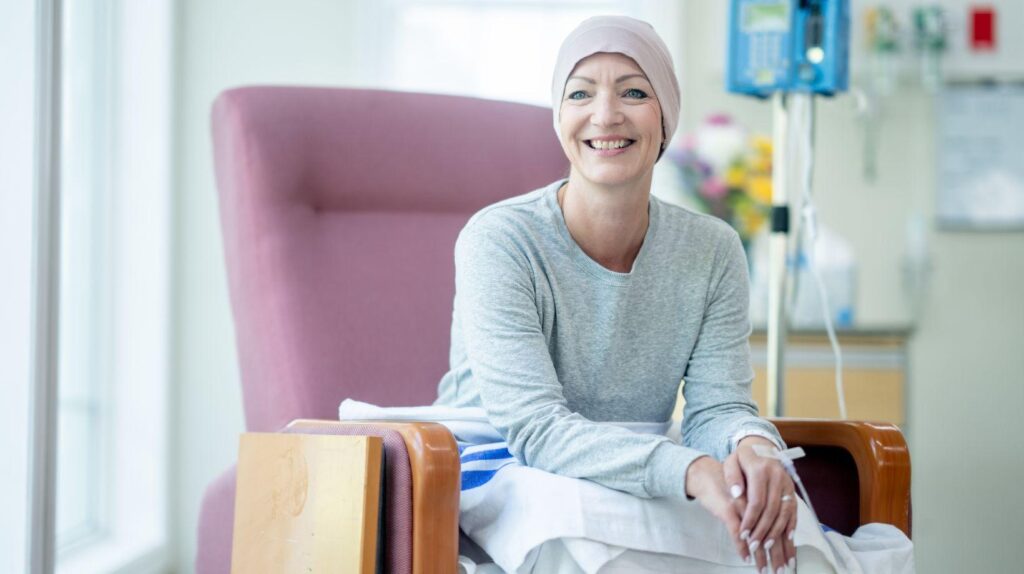
During treatment for, HER2-positive gastric cancer changes to the skin can appear and, in some cases, can be very uncomfortable or painful. Understanding how cancer treatment can affect the skin will help you to recognize if you have developed any of the possible symptoms of skin irritation and allow you to seek advice from medical oncologists or other members of oncology team.
The skin reactions that can occur during treatment for HER2-positive stomach cancer vary from patient to patient depending on the type(s) of medication used, as well as other factors. Some of the resulting changes may not be due to cancer treatment.
Why Cancer Treatment Can Affect the Skin
The skin is constantly regenerating itself and made up of many actively dividing cells. Cancer treatment can interfere with the normal process of skin cell regeneration, and some targeted therapies can also affect how skin cell’s function.
The severity and duration of skin reactions can vary among individuals and should be discussed with a healthcare professional. In some cases, however, skin reactions can be severe or need to be treated with medicine. The oncology team will assess any skin reactions and may refer to a dermatologist for further treatment and/or investigation.
Remember, every rash or skin change isn’t caused by cancer treatment. Infections, allergic reactions, external factors, and other medicines can cause similar side effects.
Understanding HER2-Directed Treatment
HER2-targeted therapies are used to treat cancer that expresses increased levels of HER2 protein, and sometimes even cancers that exhibit abnormal HER2 signaling. These medicines may be used as part of an overall treatment plan, depending on individual clinical circumstances.
For people with HER2-positive gastric cancer, the medicines used to treat the individual cases of HER2-positive cancer will vary depending on the stage of cancer, prior treatment, general health of individual and the physician’s recommendations. Every drug has a unique side effect profile, so it is wise to ask oncology team for a list of potential side effects that may occur with specific treatment.
Common Skin Changes During Treatment
Dry skin is perhaps the most common problem with skin that can occur during cancer treatment. It can look and feel like SUN-damaged skin and can feel tight, rough and flaky and may itch or be tender to touch. Rashes on the skin can appear in many different forms and can be localized to one area of the body or extend to other parts of the body as well as vary in degree of severity. Changes in appearance of skin color are possible in some circumstances. Other changes in skin color may also occur and should be discussed with healthcare team.
For anyone undergoing her2 positive stomach cancer treatment, patients may choose to document new or changing skin symptoms for discussion with their healthcare team. Advise doctor and treatment team of any other skin related symptoms or changes and seek advice if any symptoms become worse, more painful or develop with other symptoms.
Practical Skin Care During Treatment
Remind patients to keep the same care for sensitive skin as for dry skin, use gentle soap for skin care and ask his/her oncology team for a fragrance-free moisturizer for example.
Using very mild soap, avoiding products that can irritate the skin and using products that are recommended by the cancer treatment team can help. It is also generally better to use lukewarm water for washing rather than very hot.
It is also important to note that patients with skin irritation should avoid further irritating the skin and try to avoid scratching or breaking the skin. This is because broken skin can lead to infections. Even when the oncology team has recommended a skin-care product for patients with severe skin irritation, patients must ask their healthcare team if it is safe for them to use it on their open skin or on the rash that is caused by their treatment.
Protecting Sensitive Skin
Skin is also more sensitive to sun exposure while you are on treatment, and you must therefore protect against the sun in the usual way with clothing, shading, and a suitable sunscreen if required by oncology team. It may also be helpful to consider using sun protection (e.g. clothing, shade, sunscreen) and discuss with the medical team the most appropriate type and how to use it.
In addition, must also consider the environmental influences that may affect the skin. For example, cold weather, dry air, heat, and even skin care products can all have an impact on the skin and cause increased irritation.
When to Contact the Healthcare Team
It is important for patients to report all new or worsening symptoms, including skin related ones, to their doctor or the oncology team. The healthcare team will assess if the symptom is related to the treatment and make changes to the patient’s supportive care if necessary.
Severe skin reactions that are spreading quickly, becoming blistered, severely peeling or in combination with other symptoms such as a high temperature, shortness of breath, swelling of the face or feeling extremely weak and unwell, need urgent medical attention. However, do not alter or stop cancer treatment because of a skin reaction, as this will be under the care of oncology team.
Skin Care Alongside Other Cancer Treatments
The patient has HER2-positive gastric cancer which is treated with a combination of chemotherapy, immunotherapy, surgery, radiation therapy and targeted therapy for other parts of the body.
Because patients on treatments for gastric cancer often are on more than one treatment (for example, chemotherapy and immunotherapy), it is often necessary to discuss the side effects of all treatments with the oncology team. It helps to note down all the new symptoms (including skin problems) that occur and when they start to happen. Also, it is good to note where on the skin the problems occur, and if the problems get better or worse. It can also be helpful to note down if there are any things that cause the problems or if there are any things that can get rid of them.
Nutrition and General Well-Being
Good nutrition and hydration can be difficult to achieve when a person has gastric cancer and is on treatment. The patient’s nutrition needs should be discussed with their doctor, and they should follow the dietary advice given by their oncology team. Oncology team can provide you with the best nutritional advice for situation. If required, doctors can also refer you to an oncology dietitian to further assist you with eating and drinking during treatment.
When possible, patients should try to get enough rest and do moderate amounts of physical activity to help them feel as well as possible during their treatment. The doctor or oncology team can provide patients with guidance on the type and amount of activity that is safe for them.
Looking After Skin Health During Treatment
Skin changes may occur during cancer treatment and can affect comfort and quality of life. It can affect how they feel and their quality of life. It is worth finding out how cancer treatment could affect skin and how you can get help and advice if you have got any problems with skin.
There is no one-size-fits-all approach to caring for skin during cancer treatment and skin care should be individualized to take account of the patient’s treatment, their symptoms and skin type and overall health. Early reporting of skin changes may support clinical assessment and symptom management.
Disclaimer: The information provided in this article is intended for educational purposes only and should not be interpreted as medical advice, a clinical guideline, or a recommendation for any specific treatment.